Zero Waste Kitchen: Avoiding Food Waste
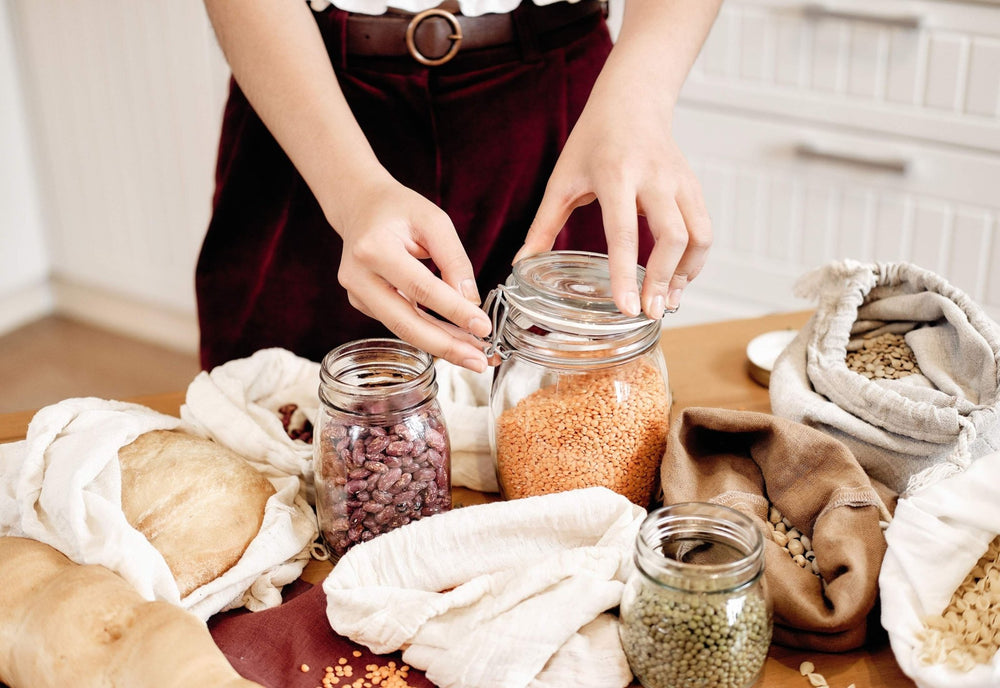
Food waste is a pressing global problem that not only pollutes the environment but also wastes our resources. In the kitchen, each of us can make a significant contribution to reducing this waste in our everyday lives and creating a zero-waste kitchen.
In our 'The sustainable living blog' we have compiled useful tips and tricks for you on how to avoid food waste and cook more sustainably.
-
Conscious shopping: The first step to a zero-waste kitchen is conscious shopping. Plan your meals in advance and create a shopping list tailored to your actual needs. Buy only the amount you can actually consume and avoid impulsive purchases.
-
Storage and organization: Proper storage and organization of your food helps extend its shelf life. Use airtight containers to keep food fresh, and organize your refrigerator and pantry to keep track of ingredients.
-
Creative use of leftovers: Instead of throwing away leftover food, get creative and use it in new dishes. Vegetable scraps, for example, can be turned into delicious soups or smoothies, and leftover bread can be transformed into delicious croutons or bread pudding. Be experimental and discover new flavor combinations.
-
Proper portioning: When cooking, it's important to estimate portion sizes correctly. If you cook too much and end up with excess leftovers, consider reducing the amount. Alternatively, you can take leftover meals to the next day for lunch or freeze them for later.
-
Composting: Even if you do your best to avoid food waste, some waste can still accumulate occasionally. Use composting to convert organic scraps like vegetable peelings, coffee filters, and eggshells into nutrient-rich compost. This closes the loop and reduces landfill waste.
To summarize: Creating a zero-waste kitchen requires a certain amount of planning, creativity, and conscious action. However, through conscious shopping, good storage, creative use of leftovers, proper portioning, and composting, you can make a huge difference in reducing food waste. Every contribution counts, and together we can create a more sustainable future where food is used wisely and enjoyed without waste.
Let's start with changing the little things - everyday.
More Home Stories
Test: Kitchen Organizer 2026: The high-quality sink organizer you've been wishing for for a long time

Why over 80,000 people already buy their kitchen towels from nordesign
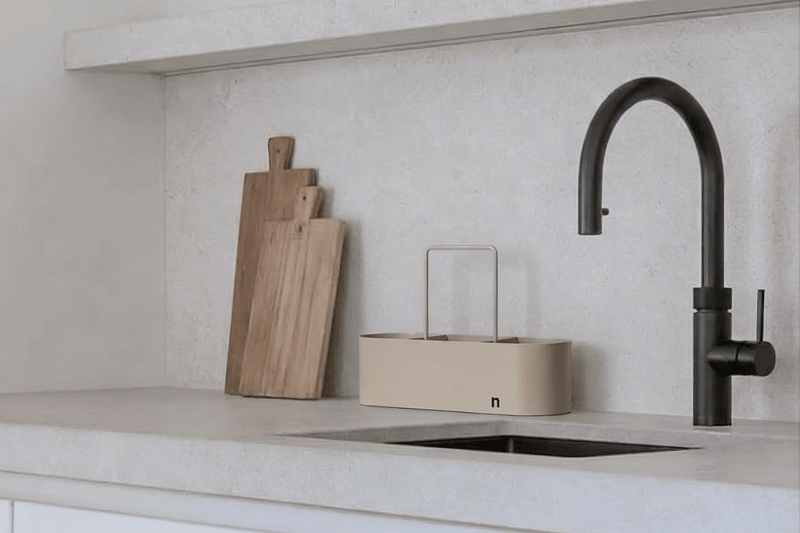
Kitchen Organizer 2026: The high-quality sink organizer you've been wishing for for a long time
The perfect gift for women who already have everything
Shower caddy without drilling: What really holds – and what doesn't
More order, less stress: spring cleaning made easy
Scandinavian design meets functionality: How to design your bathroom with nordesign