Where is loofah grown?
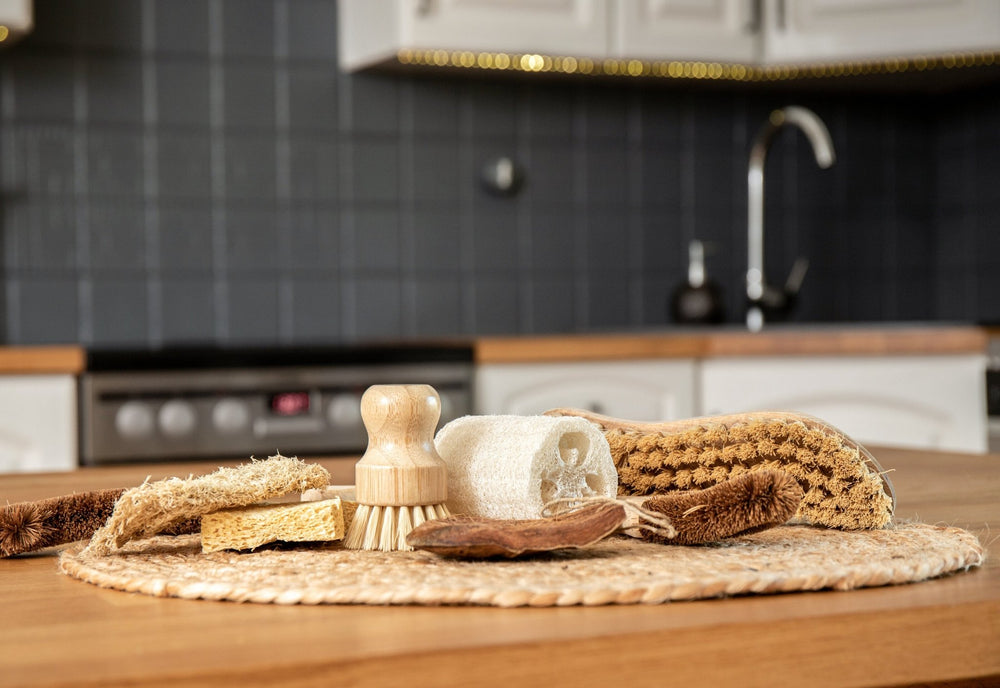
Loofah is an amazing plant grown in many parts of the world. Its distinctive, fibrous sponges are versatile and have applications in various areas, including personal care, cooking, and even as an eco-friendly packaging material. But where exactly is loofah grown? In this blog post, we'll take a look at the main loofah growing areas and explore the conditions required for its growth.
Loofah, botanically known as Luffa aegyptiaca or Luffa acutangula, belongs to the gourd family and is native to tropical and subtropical regions of Asia. The plant prefers a warm climate with abundant sunshine and a long growing season. Temperatures should be between 25 and 35 degrees Celsius to ensure optimal growing conditions.
An important growing area for loofah is China. The country is one of the largest producers of loofah sponges in the world. Large quantities of loofah are cultivated in various regions, including Guangdong, Fujian, and Hainan. Chinese farmers use traditional cultivation methods and work closely with local climatic conditions to ensure high-quality harvests.
India is another important growing area for loofah. The plant thrives in the southern states of Tamil Nadu, Kerala, and Karnataka, where the climate is ideal for its growth. India not only produces loofah sponges but also uses loofah fibers to make textiles and rope.
Loofah is also cultivated in the Southeast Asian countries of Thailand, Vietnam, and Indonesia. These countries offer similar climatic conditions to those of China and India, which are necessary for loofah growth. Loofah sponges are a popular commodity in these regions and are traded on both the local and international markets.
Loofah is also cultivated in some African countries. Egypt is known for its loofah production and exports the sponges to various parts of the world. Other African countries where loofah is cultivated include Nigeria, Sudan, and South Africa. The warm climate in these regions provides ideal conditions for the plant's growth.
Loofah is also cultivated in some South American countries, such as Brazil and Colombia. These tropical regions, with abundant sunlight and high temperatures, provide optimal conditions for loofah growth. Sponges from these countries are in demand both locally and internationally.
It's important to note that loofah is a climbing plant and is typically grown on trellises or fences. The plants require adequate watering, but at the same time, waterlogging should be avoided to prevent rot. The soil should be well-drained and contain a sufficient amount of organic matter.
In many parts of the world, loofah is also cultivated by small farmers and hobby gardeners. The plant is relatively easy to care for and can be successfully grown in various climates as long as the basic requirements are met.
In summary, loofah is cultivated in various parts of the world, particularly in China, India, Southeast Asia, Africa, and South America. These regions provide the ideal climate for loofah growth and allow for a high-quality harvest. The sponges are then consumed locally or traded on the international market, where they find use in various industries.
Cultivation methods may vary by region, but the basic soil, irrigation, and climate requirements remain essentially the same. The fact that loofah is successfully cultivated in various parts of the world highlights the versatility and value of this amazing plant.
More Home Stories
Test: Kitchen Organizer 2026: The high-quality sink organizer you've been wishing for for a long time
Why over 80,000 people already buy their kitchen towels from nordesign

Kitchen Organizer 2026: The high-quality sink organizer you've been wishing for for a long time

The perfect gift for women who already have everything

Shower caddy without drilling: What really holds – and what doesn't

More order, less stress: spring cleaning made easy

Scandinavian design meets functionality: How to design your bathroom with nordesign