How long should a sponge be used before being replaced?
A sponge is an indispensable tool in the kitchen and household. It is used daily for various cleaning tasks, whether washing dishes, cleaning surfaces, or removing stains. But how long should a sponge actually be used before it needs replacing? In this article, we'll take a closer look at this question and provide some helpful tips for sponge care and use.
- Lifespan of sponges
The lifespan of a sponge depends on several factors, such as the quality of the sponge, its frequency of use, the type of cleaning tasks, and proper care. Generally, it's recommended to replace sponges every few weeks to maintain hygiene in the kitchen or household. However, there are some signs that indicate a sponge should be replaced:
-
Odor: If a sponge develops an unpleasant odor, even after being thoroughly rinsed, it's a clear sign that it needs to be replaced. This odor may indicate bacteria and mold that have accumulated in the sponge.
-
Reduced absorbency: If the sponge loses its absorbency and no longer absorbs water properly, it's time to replace it. An old sponge can lose its structure and become worn, impairing its effectiveness.
-
Wear and tear: If the sponge shows visible signs of wear, such as cracks, frayed edges, or pieces falling apart, it's advisable to replace it with a new one. A damaged sponge can cause scratches on surfaces and may no longer be hygienic.
- Material: Sponges made from natural materials, such as coconut or cellulose, can be washed and thus last longer. A hot wash cycle in the washing machine can kill bacteria.
- Care tips for sponges
To ensure sponges last longer and remain hygienic, it's important to care for them properly. Here are some tips to keep in mind:
-
Rinse the sponge thoroughly after each use to remove food residue and dirt. Use warm water and a little dish soap to kill bacteria.
-
After rinsing, allow the sponge to air dry. Moisture promotes the growth of bacteria and mold, so it's important to allow the sponge to dry thoroughly before reusing it.
-
Disinfect the sponge regularly to kill bacteria. You can either soak the sponge in hot water or heat it in the microwave on high power for 1-2 minutes. Make sure the sponge is moist to avoid a possible fire in the microwave.
-
Avoid using the sponge for multiple tasks. It's advisable to use separate sponges for different purposes, such as one for washing dishes and another for cleaning surfaces.
-
Replace the sponge regularly, even if it appears to be in good condition on the outside. As mentioned above, bacteria and mold can build up inside the sponge, even if it appears clean on the outside.
- Alternatives to conventional sponges
If you have concerns about the hygiene of conventional sponges or are looking for more environmentally friendly options, there are several alternatives you can try:
-
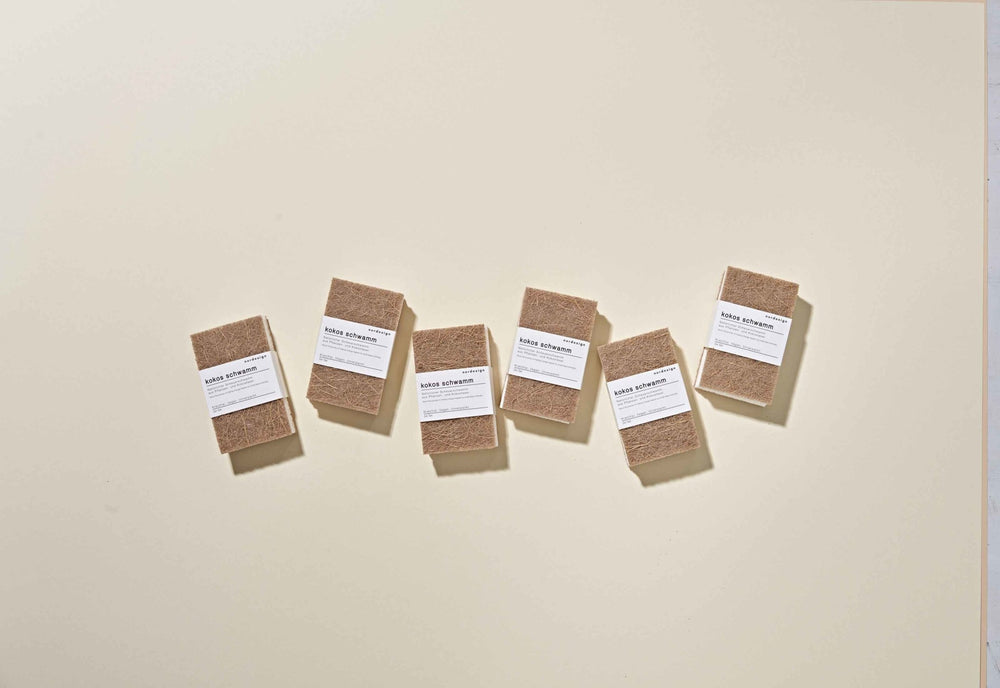
Natural sponges: Natural sponges are obtained from sustainable sources and are biodegradable. They are soft and gentle on surfaces, but can wear out faster than conventional sponges. We offer various sponges made from sustainable materials, such as our coconut sponge and our pop-up sponge.
-
Microfiber sponges: Microfiber sponges are highly absorbent and can be used both dry and wet. They are durable and machine washable to kill bacteria.
-
Sponge cloths: Sponge cloths consist of a combination of sponge and cloth and are ideal for cleaning surfaces. They are machine washable and reusable.
Conclusion
Regular cleaning and replacement of sponges is important to maintain a hygienic kitchen or household. Sponges should be replaced every few weeks, especially when they develop odors, lose their absorbency, or show visible signs of wear. By properly caring for them and using alternative sponge options, you can extend the lifespan of your sponges and improve the cleanliness of your home.
More Home Stories
Test: Kitchen Organizer 2026: The high-quality sink organizer you've been wishing for for a long time
Why over 80,000 people already buy their kitchen towels from nordesign
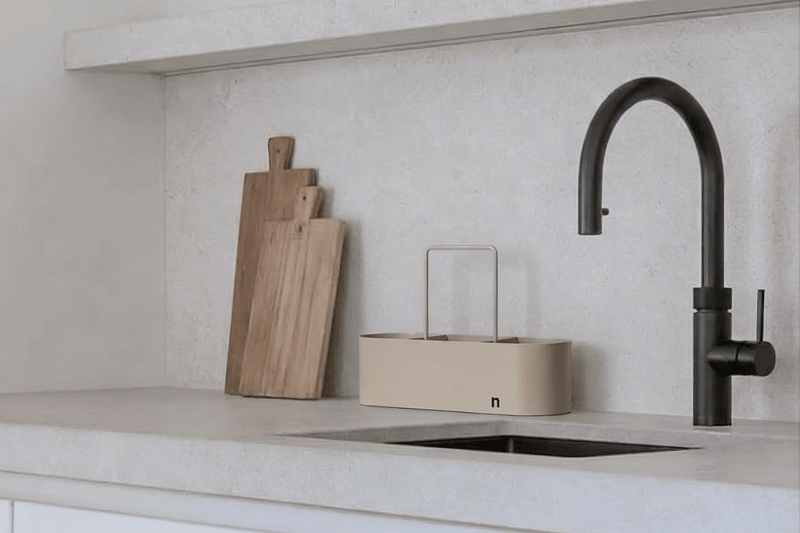
Kitchen Organizer 2026: The high-quality sink organizer you've been wishing for for a long time
The perfect gift for women who already have everything
Shower caddy without drilling: What really holds – and what doesn't
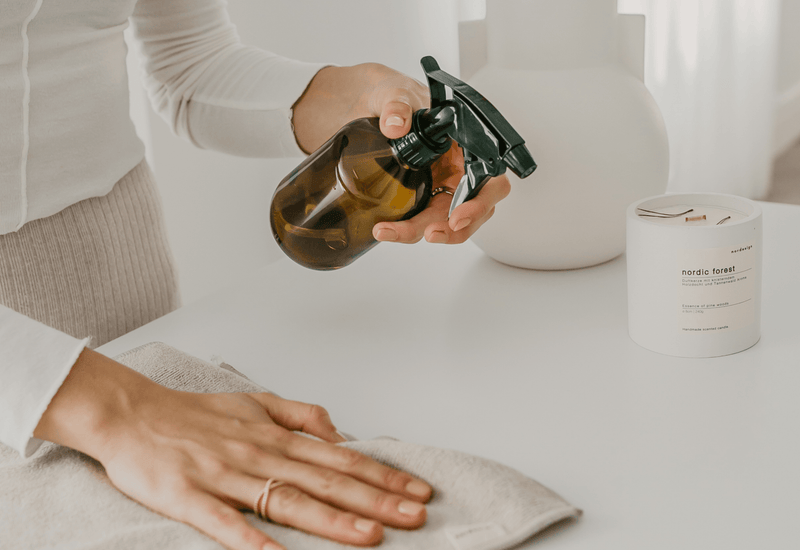
More order, less stress: spring cleaning made easy
Scandinavian design meets functionality: How to design your bathroom with nordesign