What are microplastic particles and how do they enter the environment?
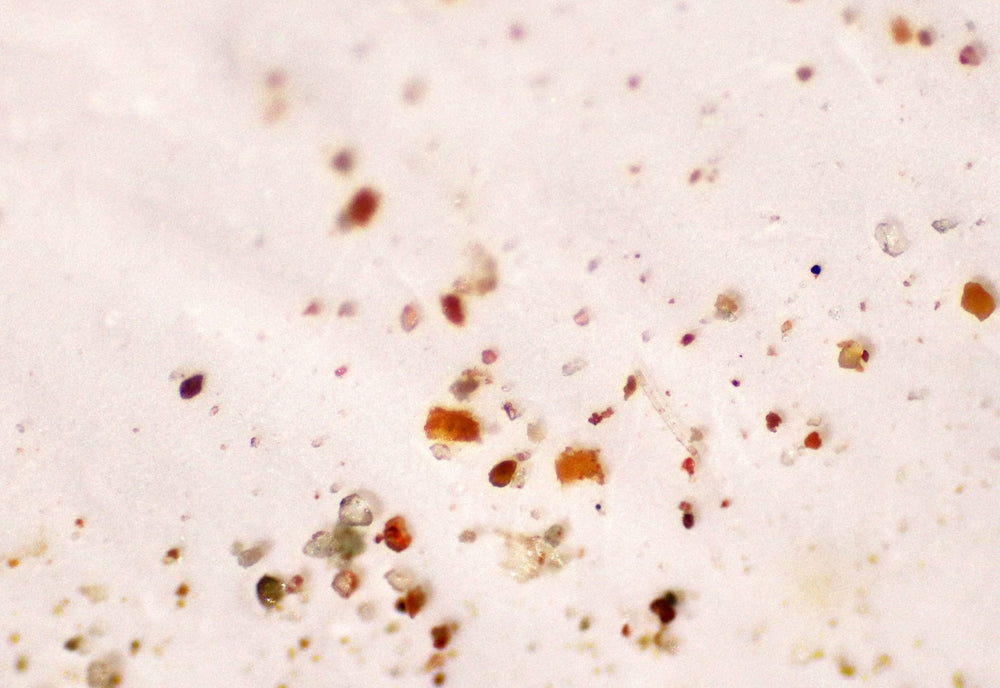
Microplastic particles are tiny plastic fragments that have become a growing environmental problem. They are smaller than 5 millimeters and can be either intentionally manufactured (primary microplastics) or broken off from larger plastic products (secondary microplastics). These tiny particles have serious environmental impacts and enter our ecosystems in various ways.
We answer the question of what exactly microplastics are, how microplastics get into the environment, why they are harmful and what you can do to avoid microplastics in your home and everyday life.
What exactly are microplastic particles?
Well, microplastics refer to plastic particles smaller than 5 millimeters in size. They can either be intentionally manufactured (primary microplastics) or broken off from larger plastic products (secondary microplastics).
-
Primary microplastics include tiny plastic beads that can be found in some cosmetics, cleaning products, and toothpastes. These particles are often used as exfoliants or binding agents and enter rivers and oceans via wastewater. Microplastic fibers are also used in some textiles, such as synthetic fibers, and can be washed into waterways during washing.
- Secondary microplastics are created when larger plastic products, such as plastic bags, packaging, or bottles, degrade due to environmental influences such as sunlight and wave action. This decomposition causes the plastic to break into smaller and smaller particles, which are released into the environment as microplastics.
But how do microplastics, these tiny plastic particles, actually get into our environment?
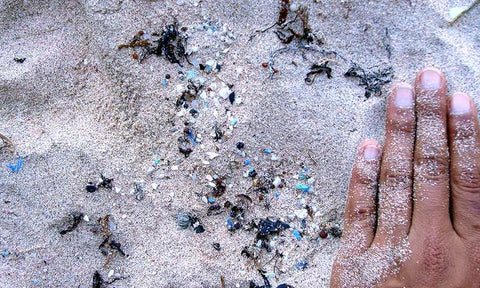
There are several ways microplastics enter the environment. One major source is wastewater pollution. When we use products containing microplastics, such as scrubs, the particles enter rivers via wastewater and ultimately the ocean. There, they can be ingested by animals, leading to serious consequences for marine ecosystems.
Another way microplastics enter the environment is through the decomposition of larger plastic pieces. When plastic bags or packaging are left outdoors or released into the environment unchecked, they break down over time and form microplastic particles. These are then dispersed by wind and water and can end up in soil, waterways, and even the air.
What threat does microplastic pose to our environment?
Microplastics pose a serious threat to the environment due to their numerous harmful effects. Due to their small size, microplastic particles can be easily ingested by animals, leading to health problems such as digestive blockages, internal injuries, and inflammation. Furthermore, the chemicals contained in the plastic can accumulate in organisms and enter the food chain, ultimately affecting humans. Microplastic pollution of water bodies also affects the habitats of many marine organisms, negatively impacting ecosystems and biodiversity. Furthermore, microplastics can be widely distributed through air and water, even reaching remote areas.
It is therefore of great importance to take measures to reduce the spread of microplastics and curb their impact on the environment.
Our 5 tips for you to reduce microplastics in your home and everyday life:
-
Avoid products with microplastics: Check the ingredients of cosmetics, cleaning products, and other products you use. Avoid products containing ingredients like polyethylene (PE), polypropylene (PP), or nylon, as they may contain microplastics. Instead, look for natural alternatives like scrubs based on sea salt, sugar, or coffee grounds.
-
Choose natural materials for your clothing: Synthetic fibers like polyester and nylon release microfibers when washed, which can enter the environment as microplastics. When purchasing clothing, consciously choose natural materials like cotton, linen, or wool. If you have clothes made of synthetic materials, you can use special Guppyfriend laundry bags when washing, which prevent microfibers from entering the wastewater.
-
Use reusable containers and bottles: Reduce the use of single-use plastics, which can break down into microplastics, by using reusable containers and bottles. Avoid buying single-use plastic bottles and instead invest in a high-quality glass or stainless steel drinking bottle. Use reusable food containers instead of single-use plastic packaging.
-
Buy fresh, unpackaged food: Many foods are packaged in plastic, which can contribute to microplastic pollution. Try to buy fresh food that isn't packaged in plastic. At the market or grocery store, choose fruits and vegetables without plastic packaging and bring your own reusable shopping bags.
-
Avoid using plastic wrap: Instead of using plastic wrap to cover food, opt for reusable alternatives. For example, use reusable beeswax wraps or silicone stretch lids to keep food fresh. These alternatives not only reduce the use of plastic but are also more environmentally friendly.
We hope we've been able to educate you on the important topic of microplastics. By following these simple tips, you can make a significant contribution to reducing microplastics in your home and our environment. Every small step counts.
More Home Stories
Test: Kitchen Organizer 2026: The high-quality sink organizer you've been wishing for for a long time
Why over 80,000 people already buy their kitchen towels from nordesign
Kitchen Organizer 2026: The high-quality sink organizer you've been wishing for for a long time
The perfect gift for women who already have everything
Shower caddy without drilling: What really holds – and what doesn't
More order, less stress: spring cleaning made easy

Scandinavian design meets functionality: How to design your bathroom with nordesign