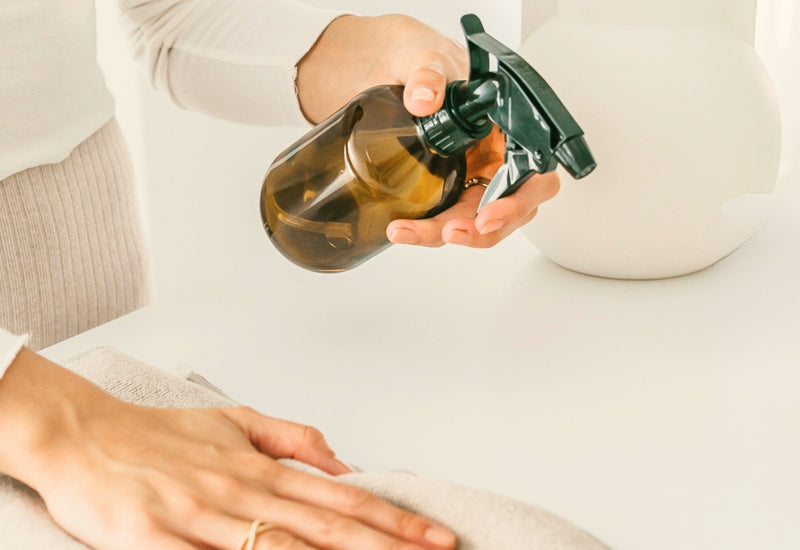
What should you keep in mind when washing sponge cloths?
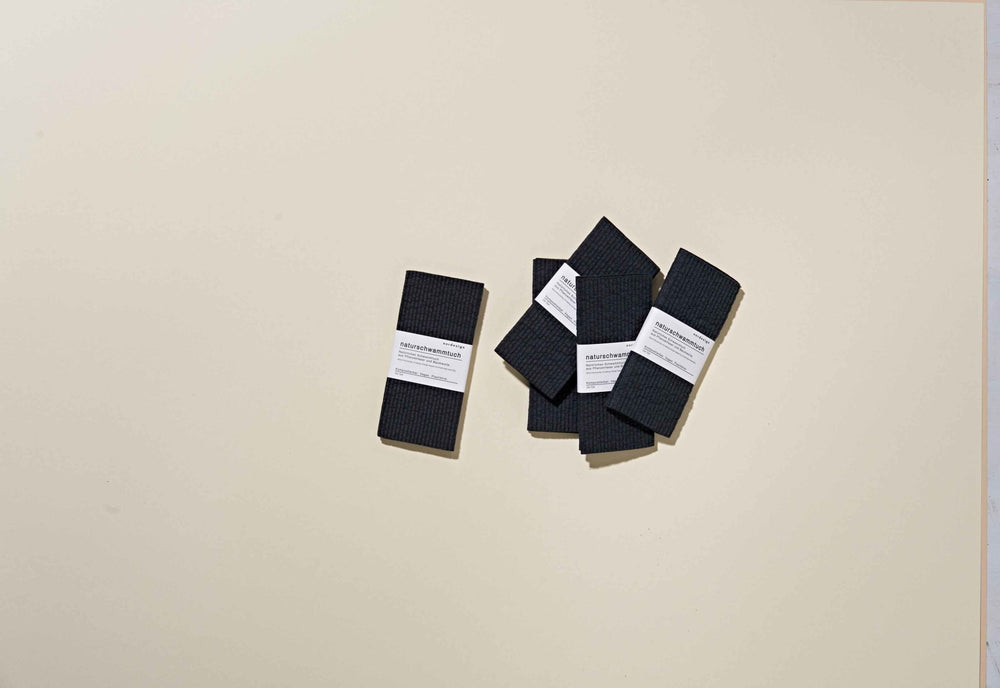
Sponge cloths have become an indispensable part of our kitchens and households. They are versatile and help us tackle daily cleaning tasks effectively. But what about cleaning the sponge cloths themselves? What do we need to keep in mind to keep them hygienically clean? In this blog post, we'll address this very question and provide some important tips for washing sponge cloths.
- Regularly change the sponge cloths
Before we delve into the washing process, it's important to emphasize that sponge cloths should be changed regularly. Due to their use for cleaning surfaces, they accumulate dirt, bacteria, and other germs. Overuse of sponge cloths can lead to unsanitary conditions and encourage the spread of germs. A good guideline is to change sponge cloths at least once a week. Our natural sponge cloths can be washed and reused up to 50 times. Thanks to the natural materials, they are non-polluting and biodegradable.
- Pretreatment of heavily soiled sponge cloths
Before putting the sponge cloths in the washing machine, it's advisable to pretreat heavily soiled cloths. This can be done by soaking them in a solution of warm water and detergent. Soaking helps loosen stubborn stains and dirt before the actual washing machine does its work.
- Choose the right washing temperature
Washing temperature plays a crucial role when it comes to cleaning sponge cloths. It is recommended to wash sponge cloths at a temperature of at least 60 degrees Celsius. This high temperature helps kill bacteria, fungi, and other microorganisms, leaving the sponge cloths hygienically clean. However, always follow the manufacturer's care instructions to ensure the sponge cloths are suitable for such high temperatures.
- Use detergents with antibacterial properties
To ensure the hygienic cleanliness of your sponge cloths, you can use detergents with antibacterial properties. These detergents contain special ingredients that help kill bacteria and germs. However, be sure to follow the instructions on the packaging and use the detergent according to the recommended dosage.
- Separate laundry for sponge cloths
It's advisable to wash sponge cloths separately from your regular laundry. Since sponge cloths are often heavily soiled and can harbor dirt and bacteria, it's best to keep them separate from your clothes and other textiles. Washing them separately also prevents dirt particles and germs from transferring to other fabrics.
- Drying the sponge cloths
After washing, it's important to dry the sponge cloths thoroughly. Moisture promotes the growth of bacteria and mold. To prevent this, you can let the sponge cloths air dry or tumble dry them on a low setting. Make sure the sponge cloths are completely dry before reusing them.
In summary, cleaning sponge cloths is an important aspect of household hygiene. By changing them regularly, pre-treating them, using the correct washing temperature, using antibacterial detergents, washing separately, and drying thoroughly, you can ensure your sponge cloths are hygienically clean. By following these simple tips, you'll help maintain a healthy and clean environment in your home.
More Home Stories
Test: Kitchen Organizer 2026: The high-quality sink organizer you've been wishing for for a long time
Why over 80,000 people already buy their kitchen towels from nordesign

Kitchen Organizer 2026: The high-quality sink organizer you've been wishing for for a long time

The perfect gift for women who already have everything
Shower caddy without drilling: What really holds – and what doesn't
More order, less stress: spring cleaning made easy

Scandinavian design meets functionality: How to design your bathroom with nordesign