Why glass bottles are more sustainable than plastic bottles
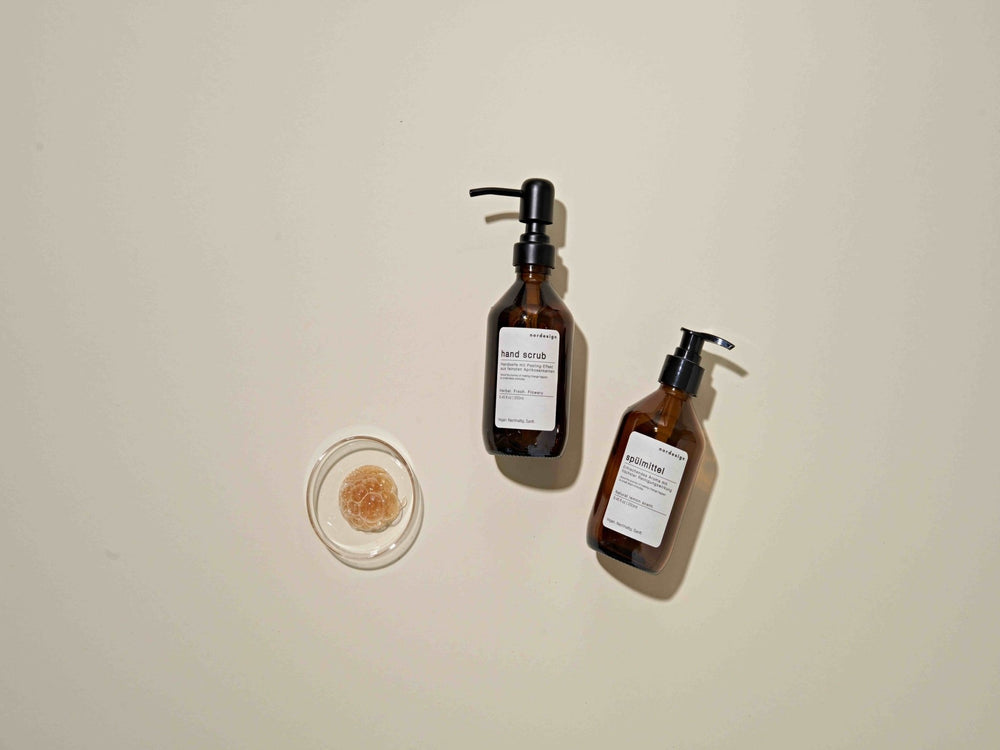
In recent years, awareness of sustainability and environmental protection has grown significantly worldwide. As a result, our perspective on everyday life and habits has also changed. One area that has come into particular focus is the use of single-use plastic and the resulting environmental pollution. In this blog post, we will explore this topic in more detail and explain why glass bottles are a more sustainable alternative to plastic bottles.
- Raw materials and manufacturing
A key factor that makes glass bottles more sustainable than plastic bottles is the raw material and manufacturing process. Glass is made from natural components such as sand, lime, and soda. These raw materials are abundant and not finite. In contrast, the production of plastic bottles is based on petroleum, which is a limited and non-renewable resource. Petroleum extraction and plastic production cause significant environmental impacts, such as the release of greenhouse gases and water pollution.
Furthermore, the production of glass bottles requires comparatively less energy than that of plastic bottles. Glass's melting point is higher, resulting in higher energy consumption. However, glass can be recycled, resulting in significant energy savings in the production of new bottles. Plastic bottles, on the other hand, are often used only once and then end up in the trash.
- Recycling and reuse
Another advantage of glass bottles is their recyclability. Glass can be recycled almost endlessly without any loss of quality. The recycling process for glass bottles is comparatively energy-efficient and leads to a reduced environmental impact compared to new production. The recycling rate for glass bottles is already over 90 percent in many countries. Plastic bottles, on the other hand, have a significantly lower recycling rate because the sorting and processing of plastics is complicated and often not economically viable.
In addition to recycling, glass bottles also offer the possibility of reuse. They can be cleaned and refilled, reducing the need for new bottles. This aspect is especially important because single-use plastic bottles account for a significant portion of plastic waste. By reusing glass bottles, we can reduce the consumption of single-use plastic and thus contribute to reducing our environmental impact.
- Environmental impacts
The environmental impact of glass bottles is lower compared to plastic bottles. Plastic bottles are one of the main sources of plastic pollution in the oceans. It is estimated that millions of tons of plastic waste enter the ocean every year, posing a huge threat to marine wildlife and the ecosystem. Glass bottles, on the other hand, are not biodegradable, but they do not decompose in seawater into small microplastic particles that can be ingested by marine life.
In addition, plastic bottles often contain chemical additives such as plasticizers, which can be harmful to our health. These additives can leach into the liquid we drink. Glass bottles, on the other hand, are chemically inert and do not release harmful substances. This makes them a safer choice, especially for food and beverages.
- Aesthetics and quality
In addition to the ecological benefits, glass bottles also offer aesthetic and quality advantages. Glass has a high-quality appearance and conveys a sense of value and sustainability. Furthermore, glass does not impair the taste or aroma of food and beverages, unlike plastic, which can occasionally leave a chemical aftertaste.
Glass bottles are also more durable and resistant to scratches and wear than plastic bottles. They retain their quality and transparency over a longer period of time, extending their lifespan.
Conclusion
It's clear that glass bottles are a more sustainable choice than plastic bottles. They're made from natural resources, can be recycled and reused, and have a lower environmental impact. Furthermore, glass bottles are safer, higher quality, and more aesthetically pleasing. As consumers, we have the opportunity to make conscious choices and do our part to protect the environment by using glass bottles instead of single-use plastic bottles. It's our responsibility to choose sustainable alternatives and work together to make a positive change for our environment.
More Home Stories
Test: Kitchen Organizer 2026: The high-quality sink organizer you've been wishing for for a long time

Why over 80,000 people already buy their kitchen towels from nordesign
Kitchen Organizer 2026: The high-quality sink organizer you've been wishing for for a long time

The perfect gift for women who already have everything
Shower caddy without drilling: What really holds – and what doesn't
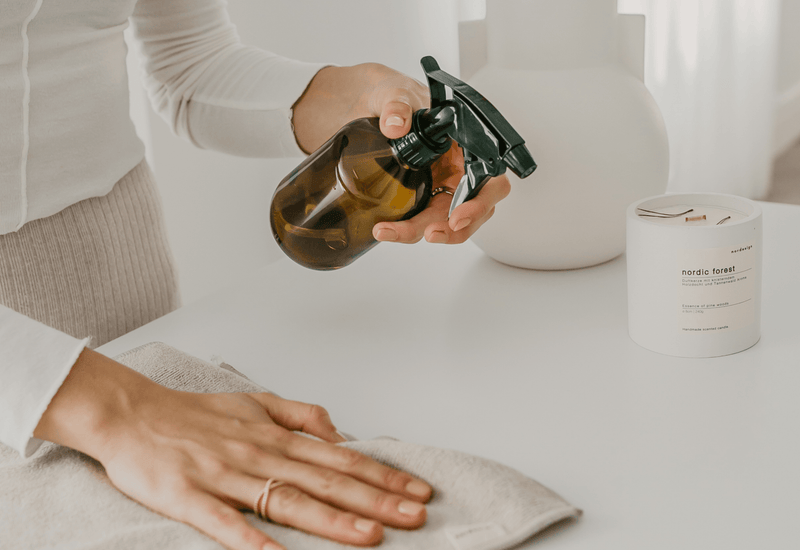
More order, less stress: spring cleaning made easy
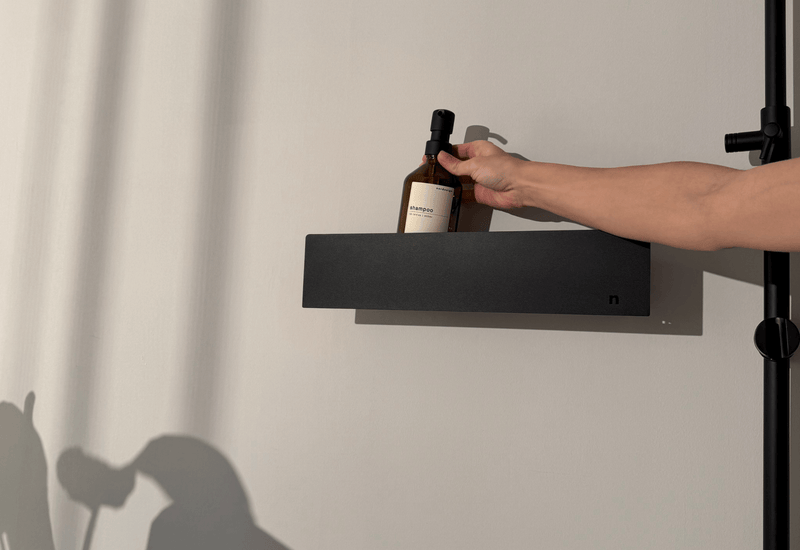
Scandinavian design meets functionality: How to design your bathroom with nordesign