Sponges for the household made from vegetables, is that really possible?
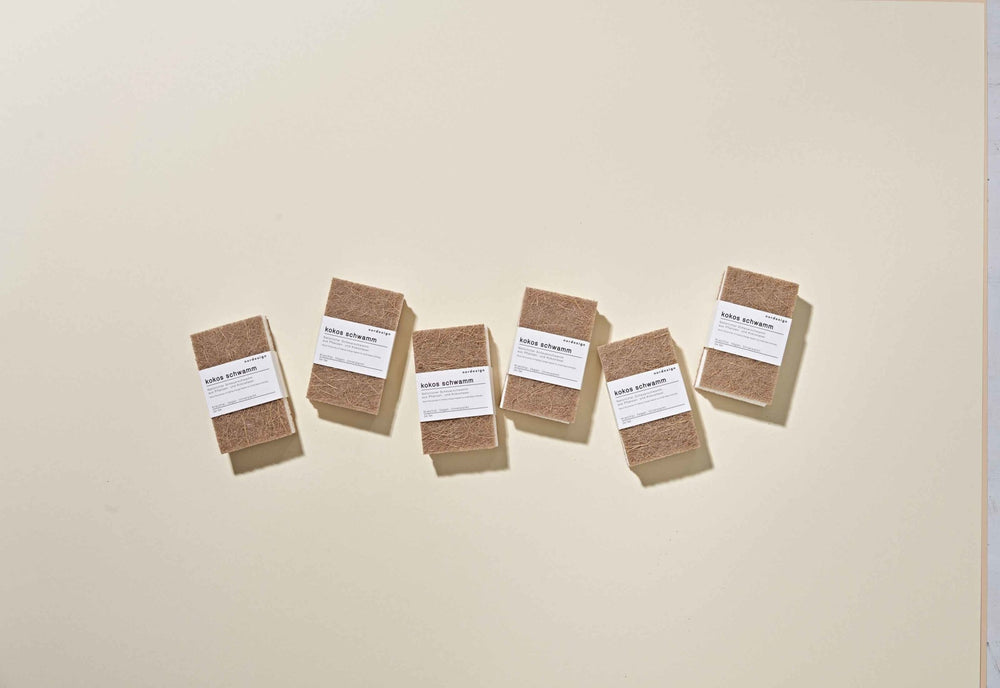
Everyday household chores can sometimes be quite challenging. From cleaning the kitchen to removing stubborn stains from the floors, there's always something to do. However, in the world of household items, there's an interesting alternative to traditional sponges: vegetable sponges. But how do they work, and are they really as effective as conventional sponges? In this article, we'll take a closer look at this topic.
Vegetable sponges are made from natural materials such as loofah or pumpkin. These vegetables have a fibrous structure that is well-suited for cleaning purposes. The advantage of vegetable sponges is that they are biodegradable and do not contain harmful chemicals. This makes them an environmentally friendly alternative to conventional sponges, which are often made of plastic.
Another advantage of vegetable sponges is their versatility. They can be used for cleaning dishes, kitchen surfaces, bathrooms, and much more. Their fibrous structure allows them to effectively remove dirt and stains without damaging the surfaces. They are also highly absorbent and can absorb a considerable amount of liquid.
Using vegetable sponges is quite simple. First, rinse them thoroughly with warm water before first use to remove any impurities. After use, simply rinse them and hang them up to dry. If they get dirty, they can also be washed in the washing machine.
A frequently asked question is how long vegetable sponges last and whether they are hygienic. The durability of vegetable sponges depends on their quality and use. They can typically be used for several months before needing to be replaced. To maintain hygiene, they should be cleaned regularly and dried thoroughly to prevent bacterial growth.
An important point to note is that due to their natural composition, vegetable sponges can wear out faster than conventional sponges. Their fibrous structure can wear out over time, especially with rough use. Therefore, it's advisable to always have a spare sponge on hand.
In addition to loofah and pumpkin, there are other vegetables that can be used as sponges. One example is the konjac root, which is widely used in Asian cuisine. Konjac sponges are soft and gentle on the skin and are particularly suitable for facial cleansing.
In conclusion, vegetable sponges offer an interesting and environmentally friendly alternative to traditional household sponges. Their fibrous structure allows for effective cleaning of surfaces, and they are biodegradable, contributing to their sustainability. Vegetable sponges are versatile and can be used for various cleaning tasks. It is important to clean them regularly and dry them thoroughly to maintain hygiene. Although vegetable sponges may not be as durable as traditional sponges, they still offer an environmentally friendly alternative worth trying.
Using vegetable sponges around the house allows us to make a small contribution to reducing plastic waste and protecting our environment. So, why not make a sustainable change in our household and try vegetable sponges? Give them a try and see for yourself how effective and eco-friendly they are!
More Home Stories
Test: Kitchen Organizer 2026: The high-quality sink organizer you've been wishing for for a long time
Why over 80,000 people already buy their kitchen towels from nordesign
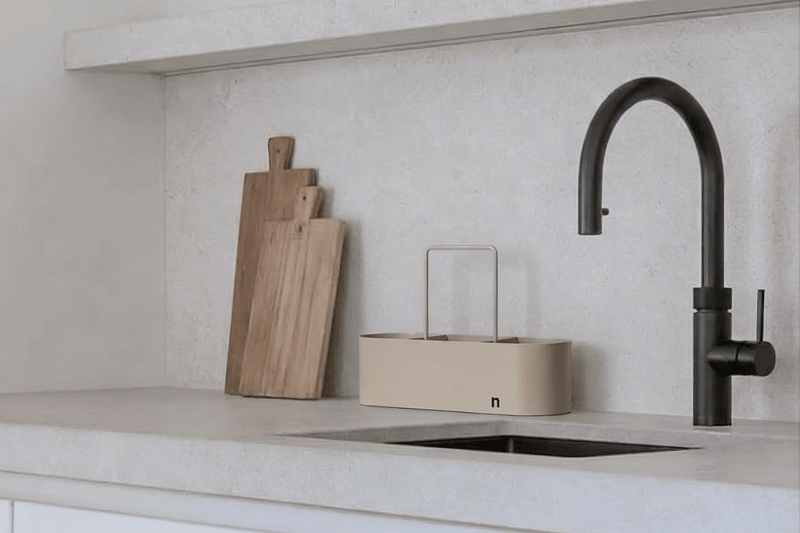
Kitchen Organizer 2026: The high-quality sink organizer you've been wishing for for a long time

The perfect gift for women who already have everything
Shower caddy without drilling: What really holds – and what doesn't
More order, less stress: spring cleaning made easy

Scandinavian design meets functionality: How to design your bathroom with nordesign