Sustainable packaging in the kitchen: alternatives to plastic and co.
-
Beeswax wraps: An environmentally friendly alternative to cling film are beeswax wraps. These wraps are made from biodegradable cotton coated with beeswax, jojoba oil, and tree resin. They are reusable, easy to clean, and can be used to wrap foods such as fruit, vegetables, cheese, and bread.
-
Glass containers: Instead of storing food in plastic containers, you can switch to glass containers. Glass is not only environmentally friendly and reusable, but also free of harmful chemicals. You can store your food in glass containers in the refrigerator or pantry, and even heat them directly in the microwave.
-
Stainless steel containers: Stainless steel containers are another sustainable alternative to plastic packaging. They are durable, easy to clean, and can be used for storing food in the refrigerator or on the go. Stainless steel is also a safe option because it doesn't release harmful chemicals.
-
Cloth bags and totes: Instead of using plastic shopping bags, you can switch to reusable cloth bags and totes. These can be made of cotton, linen, or other natural fibers and are an environmentally friendly alternative for transporting your groceries home.
-
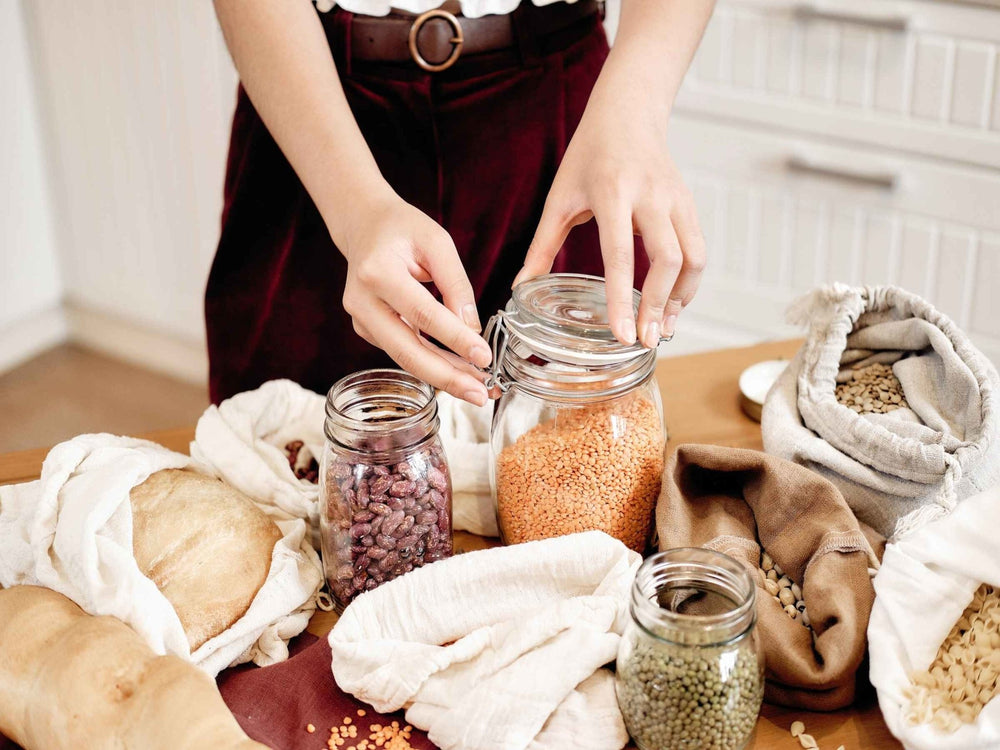
Glass bottles and jars: If you buy your drinks like water, juice, or milk in plastic bottles, you can switch to glass bottles. Glass bottles are reusable and easy to clean. They're also suitable for storing homemade smoothies or other beverages. Jars with screw caps are ideal for storing homemade jams, spreads, or spices.
-
Compostable packaging: Compostable materials are a sustainable packaging option. Biodegradable packaging made from plant-based materials such as corn starch or cellulose is now available, which decomposes in industrial composting facilities. These can be used for single-use packaging such as bags, cups, or takeout food packaging.
-
Upcycling packaging: Upcycling is a creative approach to reducing packaging waste. Transform empty jars or containers into practical storage containers for spices, dry goods, or office supplies. With a little imagination and crafting skills, you can transform old packaging into useful household items.
So there are many ways to switch to sustainable packaging in the kitchen. By using beeswax wraps, glass containers, stainless steel containers, cloth bags, glass bottles, compostable packaging, and upcycling, we can do our part to protect the environment. Every small step counts, and together we can make a positive difference.
Remember, it's important to make conscious choices and rethink our habits to live more sustainably. By switching to sustainable packaging in the kitchen, we're helping to reduce pollution and preserve our planet for future generations.
More Home Stories
Test: Kitchen Organizer 2026: The high-quality sink organizer you've been wishing for for a long time

Why over 80,000 people already buy their kitchen towels from nordesign

Kitchen Organizer 2026: The high-quality sink organizer you've been wishing for for a long time

The perfect gift for women who already have everything

Shower caddy without drilling: What really holds – and what doesn't

More order, less stress: spring cleaning made easy

Scandinavian design meets functionality: How to design your bathroom with nordesign