Sustainable kitchen renovation: How to pay attention to environmental compatibility and sustainability when modernizing your kitchen
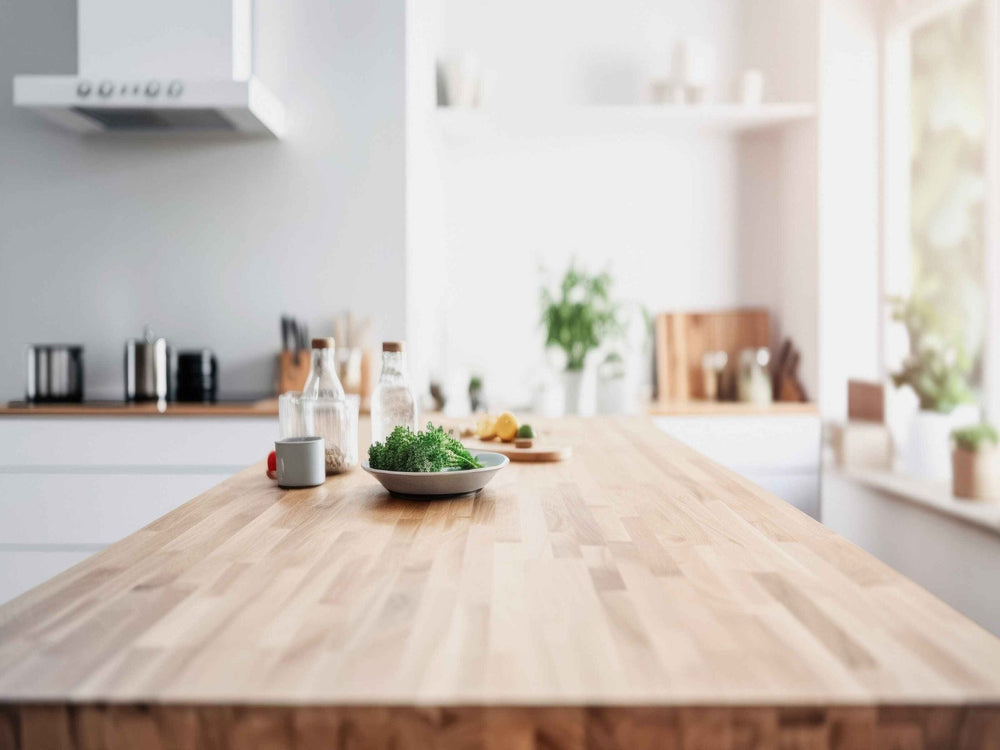
The kitchen is the heart of every home—a place where family and friends gather to cook, eat, and create memories. Over time, however, the kitchen also demands modernization and refreshment. Before diving headfirst into a kitchen renovation, however, it's worth taking a moment to consider its impact on the environment. In this blog post, we show you how to plan and implement a sustainable kitchen renovation without losing sight of the environment. From material selection to energy efficiency to the disposal of old kitchen units—we offer tips and suggestions for an environmentally friendly kitchen modernization.
- Choose sustainable materials
The first step to a sustainable kitchen renovation is choosing eco-friendly materials. Instead of relying on synthetic materials and pollutants, opt for recyclable, durable, and natural materials. Countertops made from sustainable wood or bamboo, cabinets made from eco-friendly particleboard, and tiles made from recycled glass are just a few examples of sustainable options. You should also look for certifications like the FSC (Forest Stewardship Council) seal to ensure that the wood used comes from responsible forestry.
- Integrate energy-efficient devices
Choosing energy-efficient appliances is another important aspect of a sustainable kitchen renovation. Modern kitchen appliances with the EU energy label A+++ consume less electricity and are therefore more environmentally friendly. Energy-efficient dishwashers, refrigerators, and ovens are not only good for the environment but also save energy costs in the long run.
- Save water
Water is a precious resource that we must protect. When renovating a kitchen, you can therefore consider installing water-saving fixtures and water filters. Using water-saving technologies not only reduces water consumption but also the amount of energy required to heat the water. A win-win situation for the environment and your wallet.
- Use natural lighting and colors
A sustainable kitchen should make optimal use of natural light. Large windows and transparent elements allow daylight to enter and reduce the need for artificial lighting. When choosing paint colors, you can also opt for environmentally friendly ones that do not contain harmful chemicals. Plants not only add a touch of green to the kitchen but also improve air quality.
- Upcycling and second-hand furniture
Before simply throwing away old kitchen units, consider whether they can be reused or upgraded. Upcycling is a great way to create new and unique pieces of furniture from seemingly "junk." Buying used kitchen furniture is also an environmentally friendly alternative. Secondhand furniture is often still in good condition and eliminates the need to manufacture new products.
- Shop regionally and seasonally
Sustainability can also be considered when choosing food for your new kitchen. Regional and seasonal foods are not only fresher and tastier, but also more ecological, as transportation costs are reduced. You also support local farmers and strengthen the regional economy.
A sustainable kitchen renovation is not only good for the environment, but also for your health and your wallet. By using eco-friendly materials, integrating energy-efficient appliances, and using resources responsibly, you can create a modern and environmentally friendly kitchen. It's time to take responsibility and make sustainable choices to preserve our planet for future generations. Kitchen renovation is an excellent opportunity to take this path and make a positive contribution to the environment. So, let's take the step toward sustainability together and shape the future of our kitchens—and our planet.
More Home Stories
Test: Kitchen Organizer 2026: The high-quality sink organizer you've been wishing for for a long time

Why over 80,000 people already buy their kitchen towels from nordesign
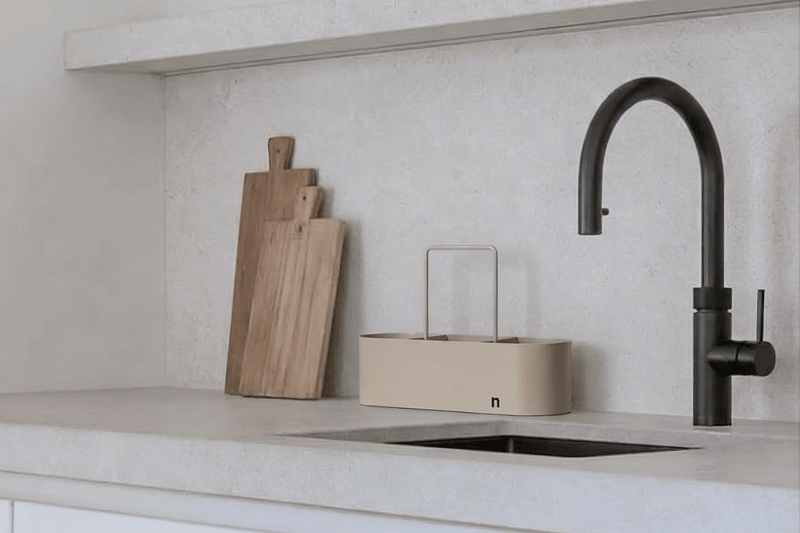
Kitchen Organizer 2026: The high-quality sink organizer you've been wishing for for a long time
The perfect gift for women who already have everything
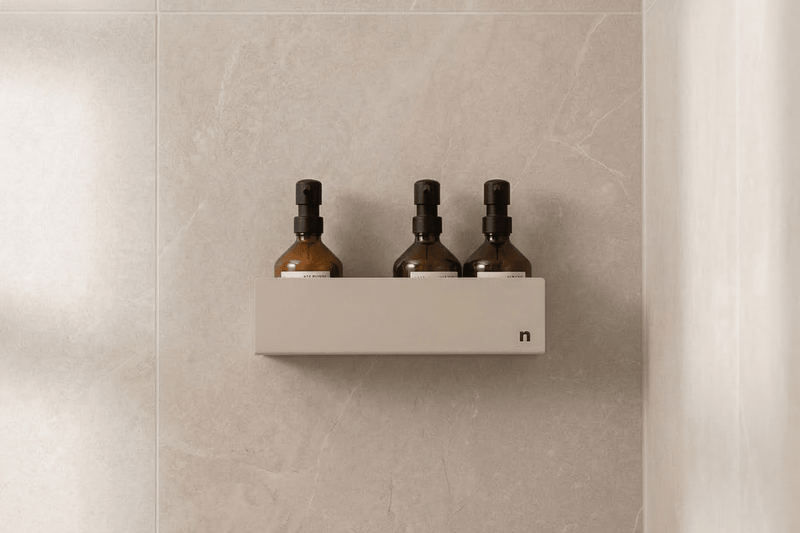
Shower caddy without drilling: What really holds – and what doesn't

More order, less stress: spring cleaning made easy
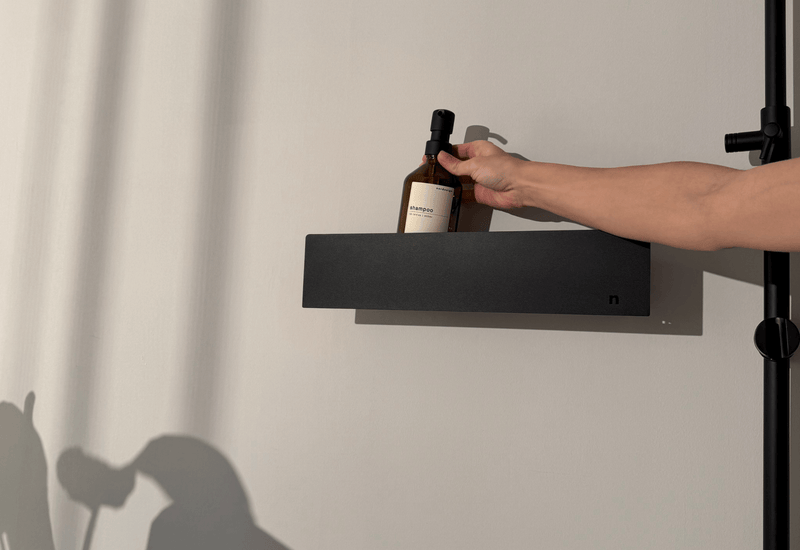
Scandinavian design meets functionality: How to design your bathroom with nordesign