Minimalism in the kitchen: How to protect the environment with reduced equipment and conscious consumption
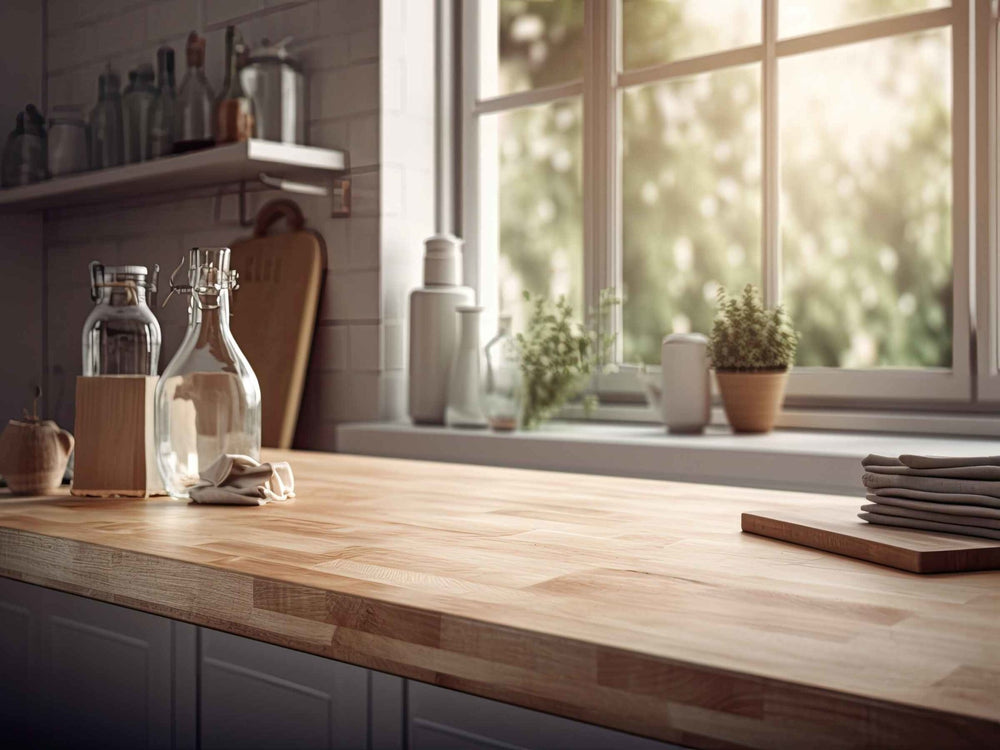
In a world where consumerism and materialism often take center stage, minimalism is becoming increasingly important. The idea of living more consciously and with less effort is also gaining more traction in the kitchen. Minimalism in the kitchen not only means using space efficiently, but also reducing environmental impact. In this blog post, we will explore how reduced equipment and conscious consumption in the kitchen can not only improve our lifestyle but also make a positive contribution to environmental protection.
Why minimalism in the kitchen?
The importance of conscious consumption:
In a society where excess and waste are often the order of the day, conscious consumption becomes a necessity. We can put this into practice in the kitchen by buying only the things we truly need and abandoning the notion that more is always better. By limiting ourselves to the essential kitchen utensils, we avoid unnecessary purchases and contribute to conserving resources.
Environmental impact of kitchen equipment:
Many kitchen utensils are made from materials that leave a high ecological footprint. From production to disposal, they burden the environment. By choosing durable and sustainable products, or even foregoing some, we reduce our ecological impact.
The advantages of minimalism in the kitchen
Reduced space requirement:
A minimalist kitchen requires less storage space and allows us to organize our kitchen more efficiently. Fewer things mean more open space and order, making cooking and meal preparation easier.
Time savings:
A clear and minimalist layout saves us valuable time searching for the necessary utensils. Everything has its own place, which leads to increased efficiency when cooking.
Save money:
Minimalism not only means less resource consumption, but also potential financial savings. Fewer purchases of unnecessary kitchen items mean more money in your pocket.
How to implement minimalism in the kitchen
Cleaning out and decluttering:
The first step toward a minimalist kitchen is decluttering and decluttering. Go through your kitchen and get rid of things you haven't used in years or that you rarely use. Donate or sell well-maintained kitchen utensils to make someone else happy and conserve resources.
The basic equipment:
Choose your basic kitchen equipment carefully. A high-quality knife, a cutting board, a pot, and a pan are often sufficient for preparing most dishes. Opt for durable and sustainable materials like stainless steel, cast iron, or wood.
Multifunctional utensils:
Choose kitchen utensils that can serve multiple purposes. For example, a large pot can also be used as a roasting pan, or a stand mixer can also be used as a food processor. This saves space and resources.
Sustainable consumption in the kitchen
Shop regionally and seasonally:
When shopping for groceries, prefer regional and seasonal products. These are often fresher, require less packaging, and have a smaller carbon footprint because transportation costs are reduced.
Avoiding disposable products:
Single-use products like plastic tableware or paper towels place a significant burden on the environment. Instead, opt for reusable alternatives like cloth napkins, reusable food containers, and water bottles.
Reduce food waste:
Plan your meals in advance to minimize food waste. Use leftovers creatively and compost organic waste to return nutrients to the cycle.
The benefits for the environment:
Minimalism in the kitchen not only has personal benefits, but also positive effects on the environment. Through conscious consumption and reduced equipment, we reduce our resource consumption and our ecological footprint. Fewer products mean less production and therefore fewer emissions. Furthermore, we help reduce the amount of waste that ends up in landfills or the oceans.
Conclusion:
Minimalism in the kitchen offers numerous benefits that extend far beyond your personal lifestyle. Reduced equipment and conscious consumption contribute to protecting the environment by reducing resource consumption and environmental impact. With small changes in our kitchen, we can make a significant contribution to protecting the environment while living a simpler and more fulfilling life. Try it out and discover the beauty and efficiency of a minimalist kitchen.
More Home Stories
Test: Kitchen Organizer 2026: The high-quality sink organizer you've been wishing for for a long time

Why over 80,000 people already buy their kitchen towels from nordesign
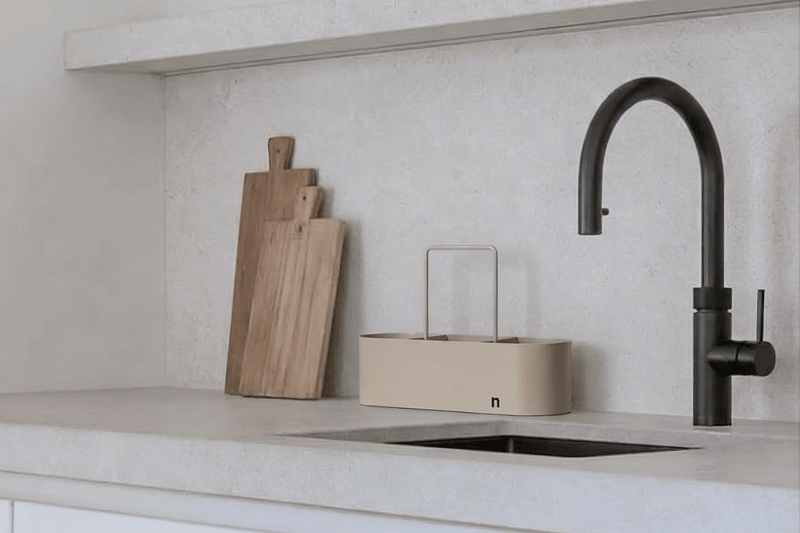
Kitchen Organizer 2026: The high-quality sink organizer you've been wishing for for a long time
The perfect gift for women who already have everything
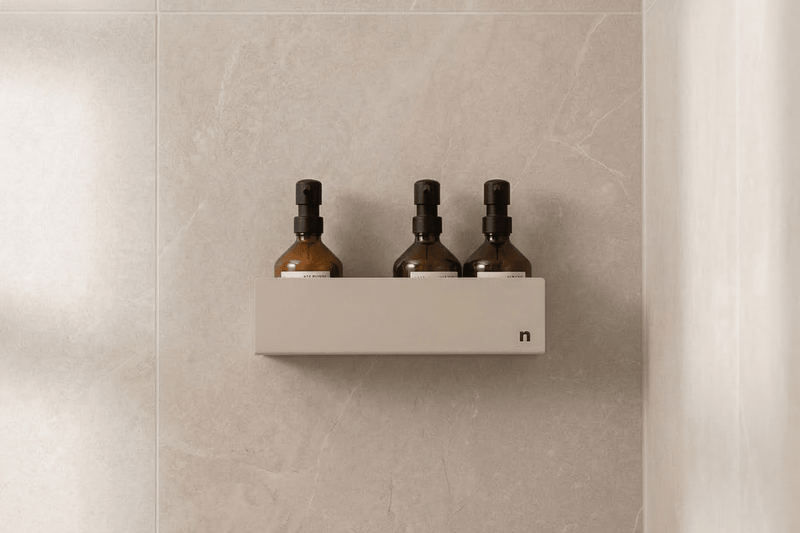
Shower caddy without drilling: What really holds – and what doesn't

More order, less stress: spring cleaning made easy
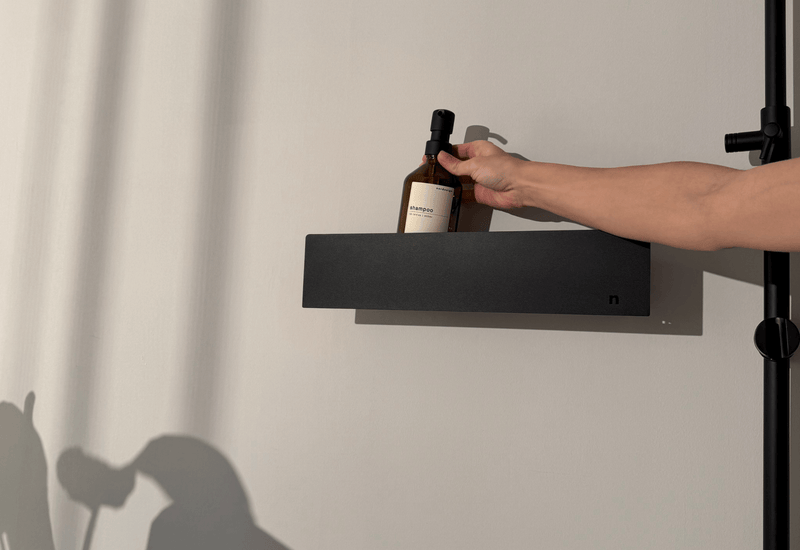
Scandinavian design meets functionality: How to design your bathroom with nordesign