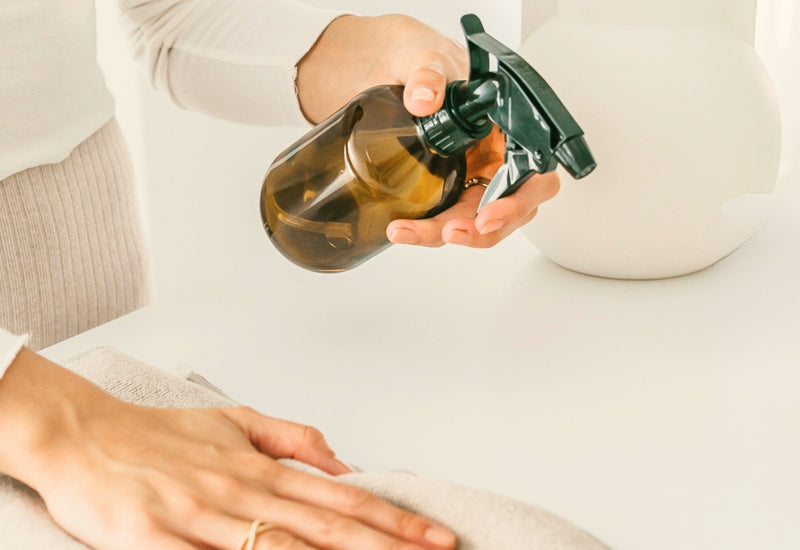
Microplastics in the household & tips to avoid them
Microplastics are a serious environmental problem that also affects our households. Microplastic particles smaller than five millimeters can be found in many everyday products, such as cleaning products and cosmetics.
Microplastics can have a variety of harmful effects on the environment and also affect human health. There are many ways to avoid or reduce microplastics in the home.
5 tips to avoid microplastics in your home:
-
Avoid products containing microplastics: Check the ingredients of cleansers, scrubs, and shower gels and look for products that are labeled "microplastic-free" or "microplastic-free." These products use alternative ingredients like pumice or walnut shells to achieve the same cleansing effect without harming the environment.
-
Use natural cleaning products: Instead of chemical cleaners, you can use eco-friendly alternatives like vinegar, baking soda, or lemon juice. These natural cleaners are often just as effective as chemical cleaners and aren't harmful to the environment.
-
Wash synthetic clothes less often: Synthetic garments like polyester and nylon release tiny microfibers with each wash, which then end up in the wastewater. Therefore, wash synthetic clothes less often and air or spot clean them instead.
-
Avoid single-use plastic products: Straws, plastic tableware, and single-use packaging can release microplastics into the environment if not disposed of properly. Avoid these single-use plastic products and instead choose reusable alternatives like stainless steel straws or reusable tableware.
-
Buy food without packaging: Plastic packaging is often a source of microplastics. Instead, buy food without packaging or choose products in reusable or biodegradable packaging.
By following these tips, you can help reduce the amount of microplastics in your home and thus protect the environment. It's important to be aware of which products contain microplastics and choose more environmentally friendly alternatives. Through our daily choices, we can all help minimize the impact of microplastics on the environment.
More Home Stories
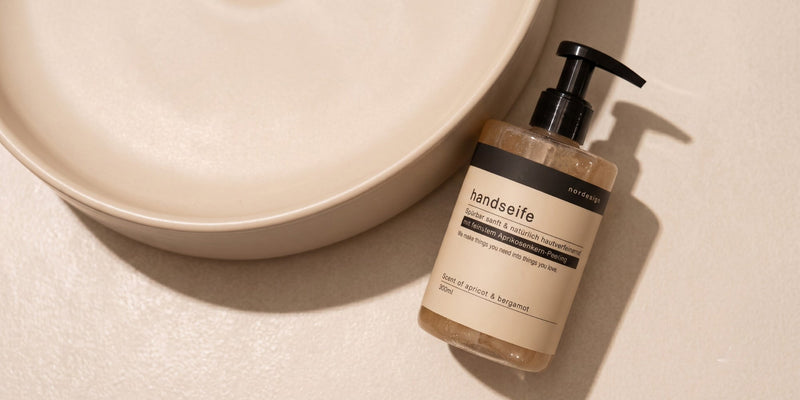
Test: Kitchen Organizer 2026: The high-quality sink organizer you've been wishing for for a long time
Why over 80,000 people already buy their kitchen towels from nordesign
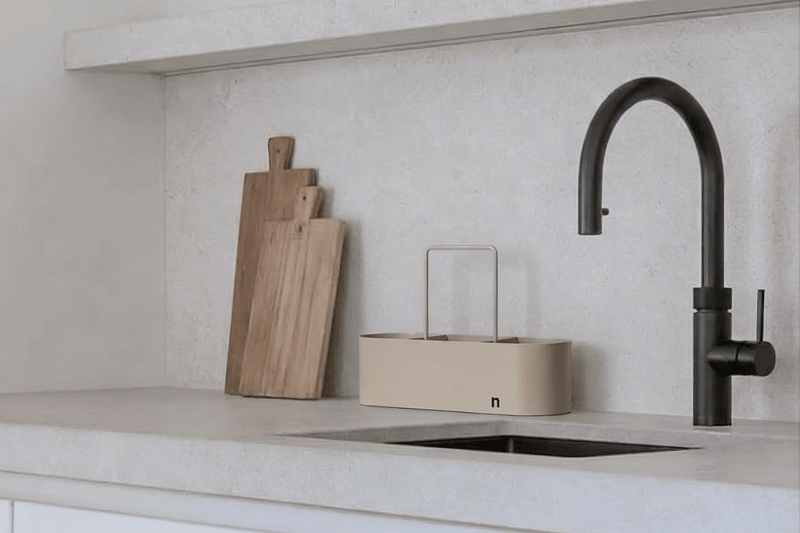
Kitchen Organizer 2026: The high-quality sink organizer you've been wishing for for a long time
The perfect gift for women who already have everything
Shower caddy without drilling: What really holds – and what doesn't
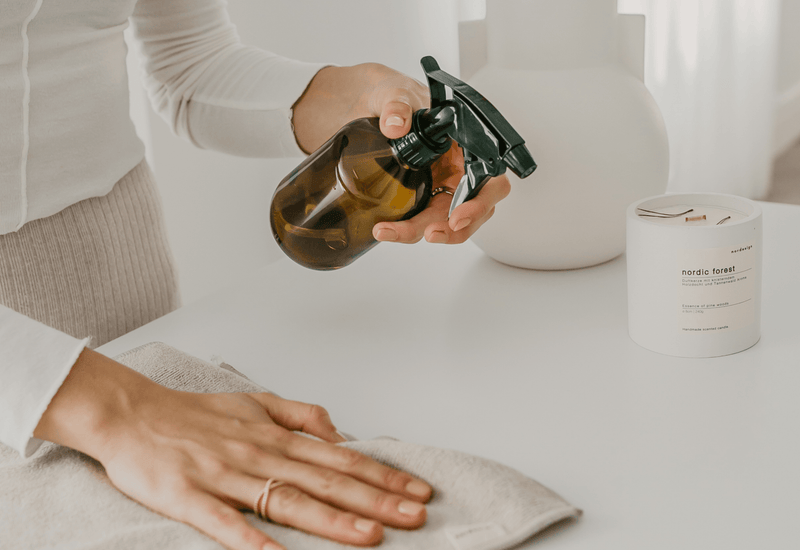
More order, less stress: spring cleaning made easy
Scandinavian design meets functionality: How to design your bathroom with nordesign