Kitchen aesthetics for the environment: Sustainable design solutions in the dishwashing
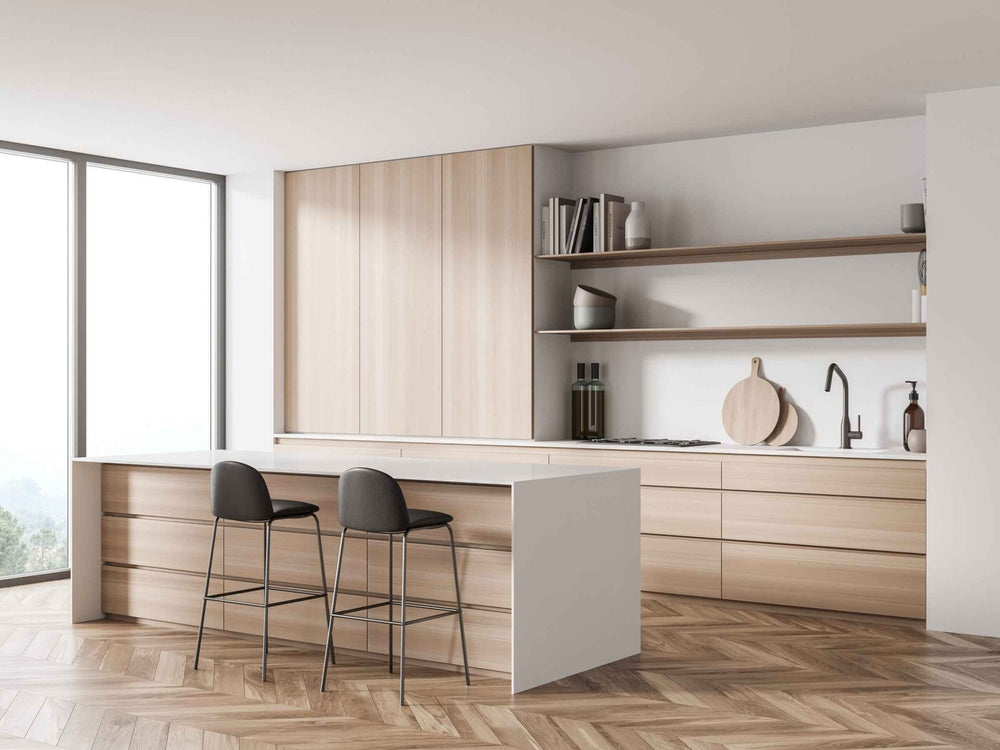
The importance of sustainability in the kitchen
Before diving into the details of sustainable design solutions, it's important to understand the importance of sustainability in the kitchen. The kitchen is a place where water, energy, and resources are used extensively. From cooking to washing up to storing food, every step has an impact on the environment. By incorporating sustainable design principles into kitchen design, we can minimize this impact while creating an aesthetically pleasing environment.
Careful selection of materials
A key concept in creating a sustainable kitchen is the careful selection of materials. Let's start with the sinks. Traditionally, stainless steel sinks are preferred, but there are also eco-friendly options such as sinks made from recycled glass or ceramic. These materials are not only durable, but also environmentally friendly and aesthetically pleasing.
Materials such as bamboo or recycled wood are ideal for countertops. Bamboo grows quickly and is a renewable resource, while recycled wood is given a second life and produces less waste in landfills.
Water efficiency through intelligent technology
Water efficiency is another key aspect of sustainable kitchen design. Modern faucets and sinks now offer a variety of technologies that can reduce water consumption. Sensor faucets detect the presence of hands or dishes and activate water only when needed. Water filtration systems can reduce the need for single-use plastic bottles by delivering clean drinking water directly from the tap.
Efficient waste separation and disposal
Proper waste separation and disposal is another step toward sustainability. Integrated waste separation systems in the kitchen facilitate the sorting of waste such as plastic, glass, paper, and organic material. These systems promote recycling and help reduce environmental impact.
Energy-saving appliances for a green kitchen
Energy-efficient household appliances are a cornerstone of sustainable kitchen design. When purchasing appliances such as refrigerators, ovens, dishwashers, and microwaves, energy efficiency should be considered. Appliances with a high energy efficiency rating consume less electricity and help reduce energy consumption in the home. They also contribute to lowering monthly energy costs.
Natural lighting and ventilation
Natural lighting and ventilation not only save energy but also contribute to creating a pleasant and healthy kitchen environment. Large windows and skylights can minimize the use of artificial lighting during the day. Folding windows or sliding doors also allow for natural cross-ventilation, which can reduce the need for air conditioning systems.
Vertical garden in the kitchen
An emerging trend in sustainable kitchen design is the vertical garden. This approach integrates plants into the kitchen decor by attaching planters to the walls. Herbs, vegetables, and even fruit can be grown in these gardens. This not only promotes a sustainable lifestyle but also adds a fresh and vibrant aesthetic to the kitchen.
Recycling and upcycling in decoration
Kitchen decorating also offers opportunities to integrate sustainable design solutions. Instead of buying new decorative items, you can focus on recycling and upcycling. Old glass bottles can be repurposed into decorative vases, while wooden pallets can be converted into shelves or wall cabinets.
Conclusion: Sustainability meets kitchen aesthetics
Balancing sustainability and kitchen aesthetics isn't an insurmountable challenge. Rather, it offers a wealth of opportunities for creating a green and beautiful kitchen. Through conscious material selection, water-saving technologies, energy-saving appliances, and creative decorating ideas, we can help minimize our kitchen's environmental impact.
However, sustainable kitchen design goes beyond purely aesthetics. It sends a message—a message that we take responsibility for our environment and strive to live in harmony with it. By incorporating sustainable design solutions into our kitchen, we are not only redesigning a space, but also reshaping our attitude toward the environment.
More Home Stories
Test: Kitchen Organizer 2026: The high-quality sink organizer you've been wishing for for a long time

Why over 80,000 people already buy their kitchen towels from nordesign
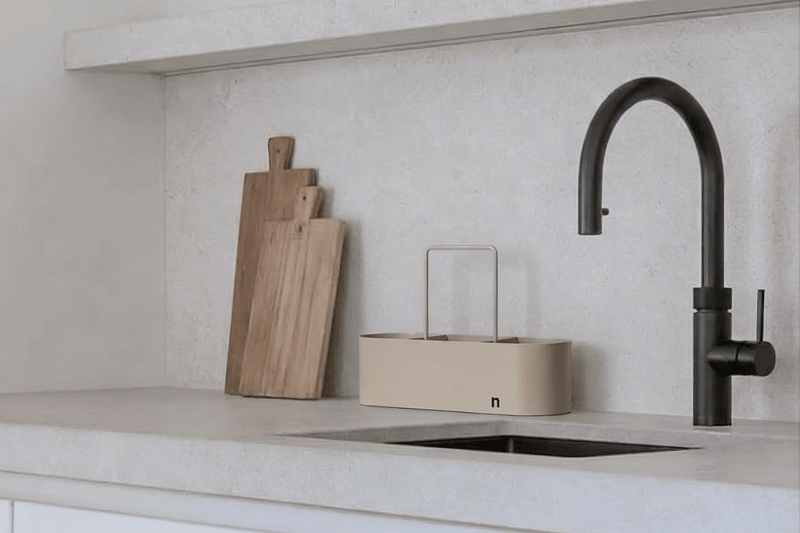
Kitchen Organizer 2026: The high-quality sink organizer you've been wishing for for a long time
The perfect gift for women who already have everything
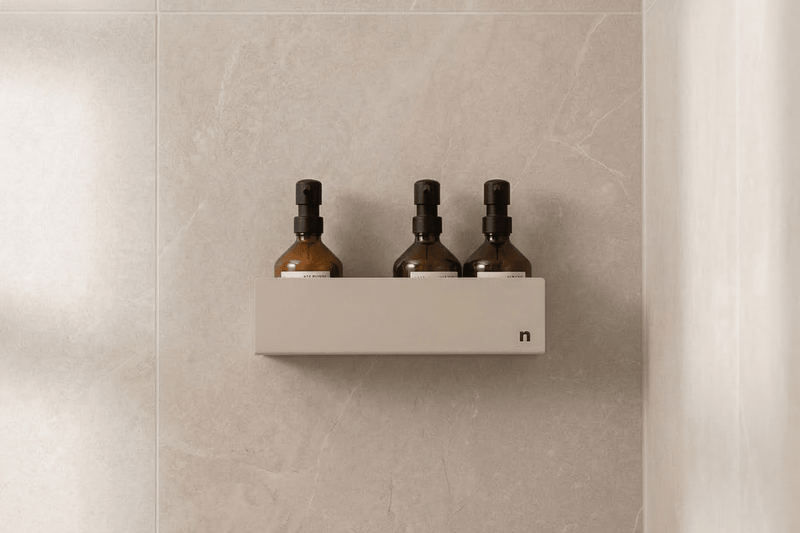
Shower caddy without drilling: What really holds – and what doesn't

More order, less stress: spring cleaning made easy
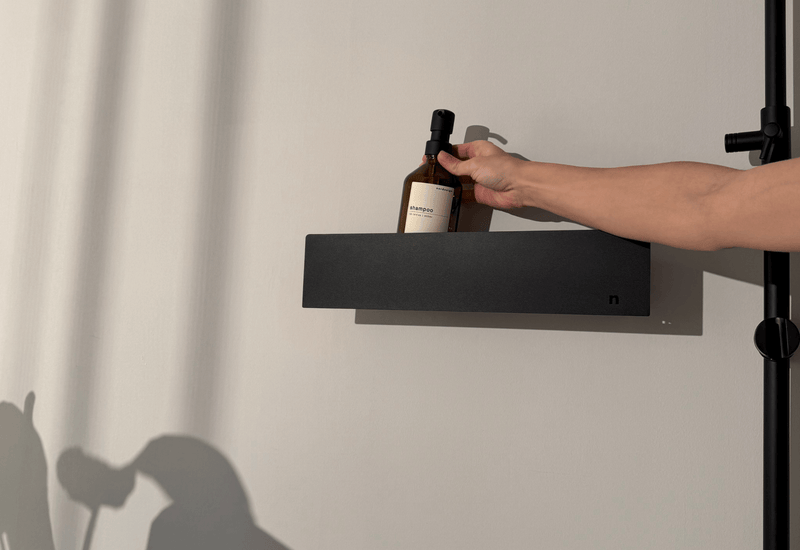
Scandinavian design meets functionality: How to design your bathroom with nordesign