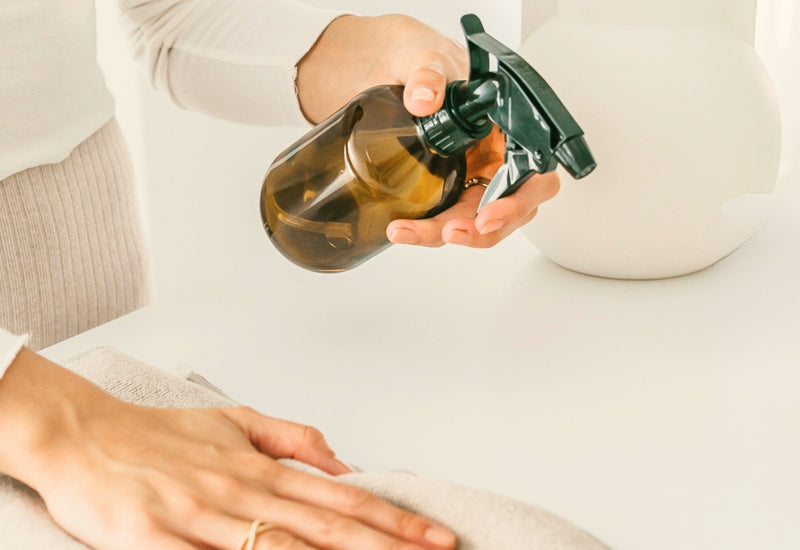
Tea towels: Practical, stylish and sustainable
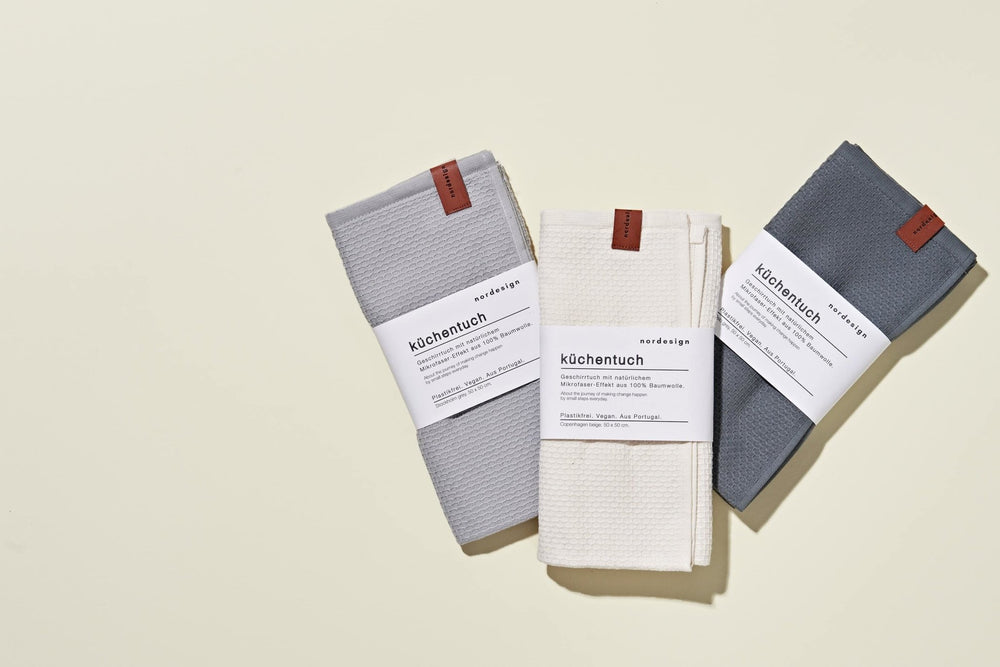
Tea towels or kitchen towels are small details in your kitchen. Yet they can make all the difference. Whether it's their functionality with streak-free drying and high absorbency, their decorative touch in your home, or the sustainability of their materials and supply chain. As is so often the case, it's the little things we use every day that can make all the difference.
In this blog post, we answer all your questions about tea towels. Which material is best, what distinguishes organic cotton, how you can sustainably dispose of or upcycle old tea towels, and why many tea towels have a typical check pattern.
We have summarized all of this for you in our Sustainable Living Blog - let's go.
-
What material is best for tea towels? Tea towels can be made of various materials, such as cotton, linen, or blended fabrics (e.g., microfiber). Cotton is a popular material due to its absorbency and softness. Linen, on the other hand, is particularly durable and hard-wearing. The choice of material depends on personal preference and intended use. It's advisable to choose a material that has both good drying properties and is comfortable to hold.
-
Are microfiber cloths better than regular dishcloths? Microfiber cloths have their own advantages that make them a popular choice. They are known for their high absorbency and ability to effectively pick up grease and dirt. They also dry faster than regular dishcloths. However, regular cotton or linen dishcloths are also very effective and offer a pleasant feel. The choice between microfiber and regular cloths depends on personal preference and requirements. Since microfiber cloths are usually made of a special type of synthetic fiber (polyester and polyamide/nylon), we recommend linen or cotton dishcloths if your cleaning purposes allow.
-
Which sustainable materials are used for tea towels?
Sustainable tea towels are made from a variety of materials that are more environmentally friendly. These include organic cotton, linen, and recycled fabrics. Organic cotton is grown without the use of pesticides or chemical fertilizers, making it an environmentally friendly choice. Linen is a natural, renewable resource and is characterized by its high durability. Recycled fabrics can be made from reused materials such as recycled cotton fibers or recycled polyester. These materials reduce the need for new resources and contribute to reducing waste and environmental impact.
-
How often should I change tea towels?
It is recommended to replace tea towels regularly to ensure hygiene and effectiveness. The exact frequency depends on various factors, such as intensity of use and proper care. As a general rule, tea towels should be washed every few days and replaced when signs of wear or odor appear. Regular cleaning and timely replacement will ensure clean and hygienic tea towels in your kitchen.
-
How do I recognize sustainable tea towels?
To identify sustainable tea towels, you should look for certain characteristics. Certifications such as the GOTS seal (Global Organic Textile Standard) or the OEKO-TEX Standard 100 certificate indicate that the tea towels were produced in an environmentally friendly manner and free from harmful chemicals. You can also look for indications of sustainable materials such as organic cotton or recycled fabrics. Sustainability also includes fair working conditions and short supply chains. Many textiles come from India, and tea towels from Portugal, and thus from the EU, are a sustainable alternative.
-
Are organic cotton tea towels more environmentally friendly than conventional cotton towels?
Yes, organic cotton tea towels are considered a more environmentally friendly option than conventional cotton towels. Organic cotton is grown without the use of pesticides or chemical fertilizers, reducing environmental impact. Additionally, organic cotton production generally uses less water. By purchasing organic cotton tea towels, you support more sustainable cotton production and contribute to protecting the environment.
-
How can I dispose of or reuse my old tea towels sustainably?
There are several ways to sustainably dispose of or reuse old tea towels. If they're still in good condition, they can be used as cleaning rags to clean other surfaces around the home. You can also use them as a mat for potted plants or to protect delicate items when transporting them. When the tea towels are no longer usable, they can be placed in a textile recycling container or donated to organizations that use fabrics for upcycling projects. By reusing or recycling your old tea towels, you're helping to reduce waste and conserve resources.
-
Why do kitchen tea towels often have a check pattern?
The check pattern on tea towels has a long tradition in the kitchen, lending them a classic and timeless look. The pattern is charming and conveys a feeling of coziness and warmth. It's also said that the check pattern serves as a guide when folding tea towels after washing, making stains easier to spot.
We believe that sustainable tea towels that are absorbent and dry streak-free can also vary in design. That's why we've developed our cotton tea towels in natural Scandi colors for you. They blend discreetly into any kitchen.
Dish towels are not only functional but can also be an environmentally conscious choice. By choosing sustainable materials, reducing the use of disposable paper towels, and reusing or recycling old ones, you'll help create a more sustainable kitchen and a smaller carbon footprint.
More Home Stories
Test: Kitchen Organizer 2026: The high-quality sink organizer you've been wishing for for a long time
Why over 80,000 people already buy their kitchen towels from nordesign

Kitchen Organizer 2026: The high-quality sink organizer you've been wishing for for a long time

The perfect gift for women who already have everything
Shower caddy without drilling: What really holds – and what doesn't
More order, less stress: spring cleaning made easy

Scandinavian design meets functionality: How to design your bathroom with nordesign