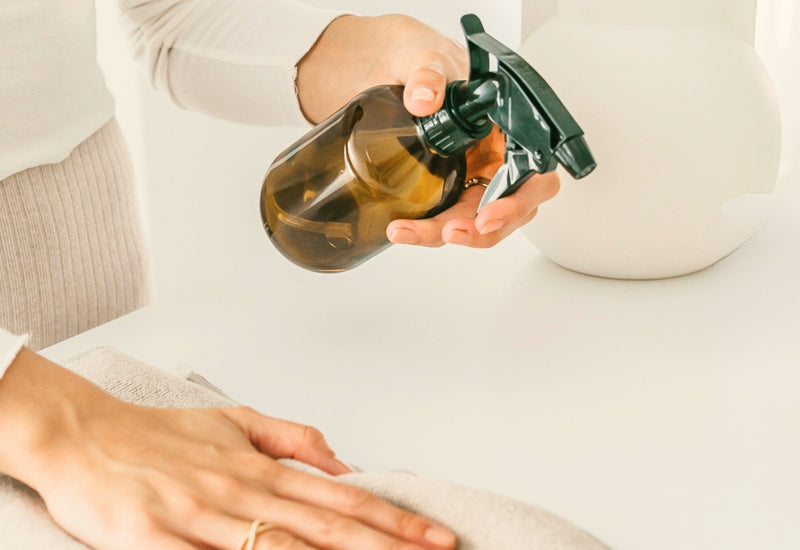
Soaking dishes: Does it really help?
Soaking dirty dishes is a common method for removing stubborn dirt and dried-on food residue. Many people swear by it, while others are skeptical and wonder if soaking really works.
In this blog article, we answer the question of whether soaking dishes really helps and explain when and how this method is best used.
To answer your question briefly: Yes, soaking dirty dishes can indeed be very helpful and effective in some cases. It offers several benefits:
-
Loosens encrustations: Soaking in warm water softens stubborn dirt, such as burnt-on grease or burnt food residue. This makes subsequent cleaning easier and reduces the effort required for scrubbing.
-
Time saving: Soaking can save time, especially if dishes have been left unwashed for a long time. Instead of starting to clean immediately, soaking allows the water and detergent to work together to help loosen soils. This often requires less effort and time to clean the dishes.
-
Gentle cleaning: Soaking can be especially beneficial for delicate dishes such as glasses or porcelain. It reduces the need for aggressive scrubbing and minimizes the risk of scratches or damage.
When is soaking useful? Soaking is particularly helpful in certain situations:
-
Dried-on food residue: If food residue has dried on, soaking can soften it and make it easier to remove. This is especially true for highly greasy or sticky substances.
-
Crusted dishes: For heavily crusted dishes, such as baked cheese on baking sheets or pans, soaking can help loosen the dirt and make scrubbing easier.
-
Time constraints: If you're short on time or need to leave the dishes out temporarily, soaking can be a good solution. It allows soils to soften, making them easier to remove later.
Tips for effective soaking: To ensure that soaking is effective, you should follow these tips:
-
Use warm water: Warm water helps soften dirt better. However, avoid using water that's too hot, as this can damage some materials.
-
Add detergent: Add a mild detergent or dish soap to the soak to enhance the cleaning effect. Follow the detergent's dosage instructions. Our spray-on dish soap is ideal for this, allowing for a more economical and precise dosage.
-
Note the soaking time: Soaking time varies depending on the type and degree of soiling. Typically, 15 to 30 minutes is sufficient to soften stubborn dirt. However, it may take longer for particularly dried-on or encrusted food residue. Check the dishes regularly to see if the dirt has softened.
-
Use a cleaning brush or scouring pad: After soaking, you can use a soft cleaning brush, such as a natural fiber one , or a scouring pad to remove the softened dirt. Make sure to apply gentle pressure to avoid scratching.
-
Rinse thoroughly: After soaking and cleaning, rinse the dishes thoroughly with clean water to remove all detergent residue.
Summarized for you:
Soaking dirty dishes can be an effective way to soften stubborn dirt and make cleaning easier. It's especially suitable for dried-on food residue and heavily encrusted dishes. By using warm water and detergent, you can improve the cleaning effect. Remember to allow for the soaking time and rinse the dishes thoroughly for best results. However, soaking isn't always necessary, and in some cases, cleaning directly without soaking may be sufficient—unless you're under a lot of stress, in which case it's easier to just set the dishes aside for a moment ;-)
More Home Stories
Test: Kitchen Organizer 2026: The high-quality sink organizer you've been wishing for for a long time
Why over 80,000 people already buy their kitchen towels from nordesign
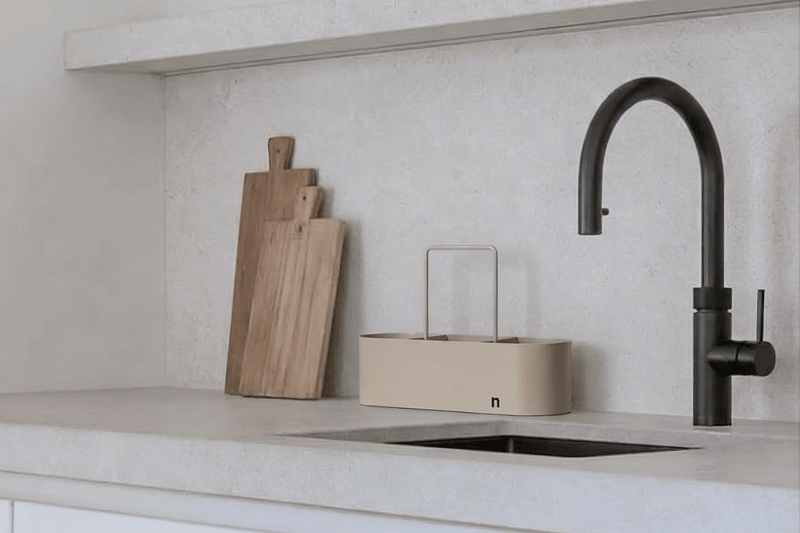
Kitchen Organizer 2026: The high-quality sink organizer you've been wishing for for a long time
The perfect gift for women who already have everything
Shower caddy without drilling: What really holds – and what doesn't
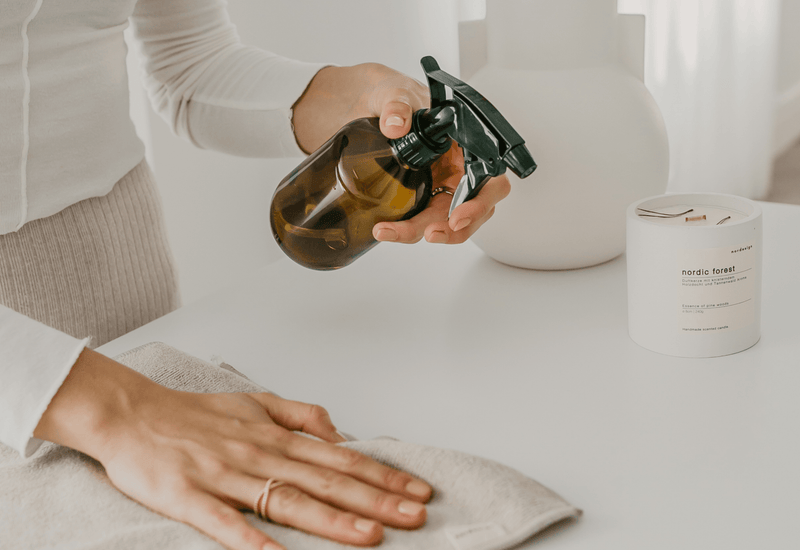
More order, less stress: spring cleaning made easy
Scandinavian design meets functionality: How to design your bathroom with nordesign