The effect of colors in the kitchen: How color design influences our senses and eating experience
The psychology of colors
Before we delve into the effect of colors in the kitchen, it's important to understand the psychology of colors. Colors have the amazing ability to trigger emotions, moods, and even physiological reactions in us. Each color has its own meaning and can evoke different sensations:
-
Red: This color often represents energy, passion, and appetite stimulation. Red can increase heart rate and increase appetite. In the kitchen, a red color scheme can help stimulate appetite.
-
Yellow: Yellow is a cheerful and sunny color associated with optimism and creativity. In the kitchen, yellow can create a welcoming atmosphere and brighten the space.
-
Green: Green is calming and represents freshness, naturalness, and health. In a kitchen, green can create a relaxed mood and emphasize the connection to fresh food.
-
Blue: Blue is often associated with calm and peace. It can suppress appetite, but in lighter shades, it can create a calming atmosphere conducive to eating.
-
Orange: This color radiates warmth and enthusiasm. It can lift the mood and create a welcoming environment, ideal for entertaining guests.
-
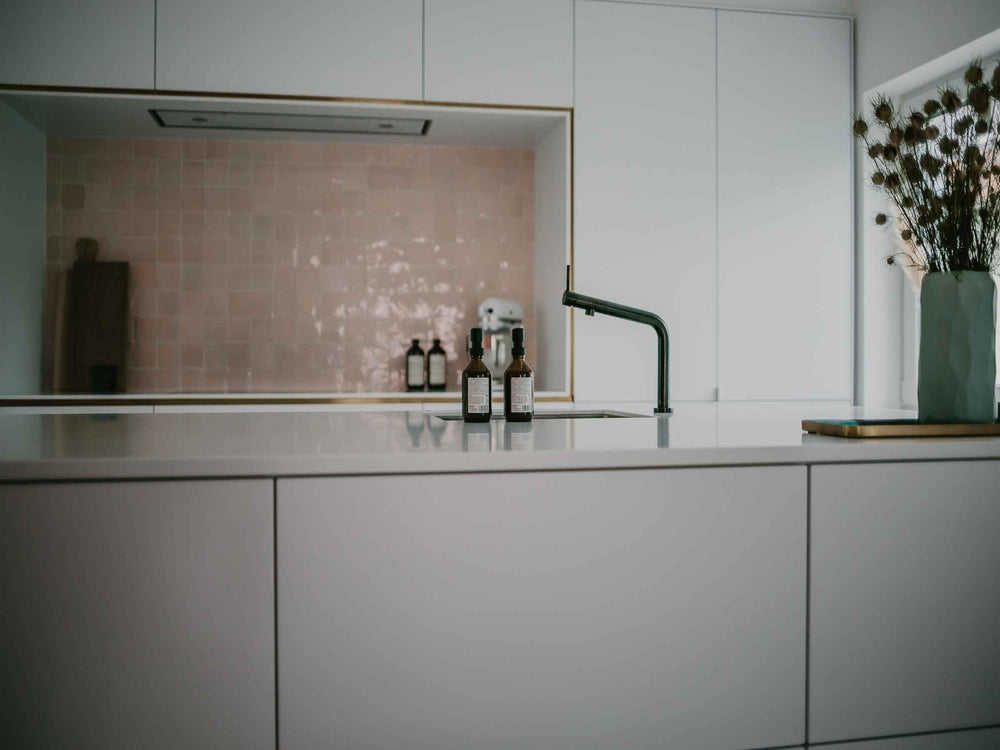
White: White conveys cleanliness and simplicity. In the kitchen, it can provide a neutral base that highlights other colors and makes the space appear larger.
-
Brown: Brown represents earthiness and coziness. In the kitchen, it can create a warm and inviting atmosphere.
The effect of colors in the kitchen
The color scheme of the kitchen can have a significant impact on our dining experience. Here are some aspects to consider:
Appetite stimulation and eating behavior
As mentioned above, the color choices in the kitchen can influence our appetite. Red and orange, for example, are colors that can increase our desire for food. A red color scheme can be implemented in the form of accents, tableware, or even red kitchen appliances. Yellow can also stimulate the appetite and create a cheerful mood in the kitchen.
Relaxation and enjoyment
A calming environment can help us fully enjoy our meals. Shades of blue, especially lighter ones, can create a relaxing atmosphere. This can be especially useful when trying to eat mindfully and slowly, as a tranquil environment helps you focus on the flavor.
Health awareness
Green is the color of nature and freshness. A green-themed kitchen can increase awareness of healthy eating. You could place plants in the kitchen or use green accents in the decor to emphasize the connection to nature and fresh food.
Socializing and getting together
The kitchen is often a gathering place for family and friends. Warm colors like orange and brown can create a welcoming atmosphere and lift the mood. These colors can be present in the kitchen's decor, furniture, or even lighting.
Promoting creativity
Yellow is a color associated with creativity and optimism. A yellow kitchen can be an inspiring place for new culinary experiments. You can incorporate this color through wall paint, tableware, or even kitchen appliances.
Tips for color designing your kitchen
When choosing colors for your kitchen, consider your personal preferences, the purpose of the room, and the mood you want to create. Here are some tips to help you with your kitchen color scheme:
-
Consider the size: In small kitchens, light colors can make the space appear larger. In larger kitchens, bolder colors can create a cozy atmosphere.
-
Use multiple colors: You don't have to limit yourself to a single color. Combining colors can create visual interest and depth. Think about how different colors work together.
-
Consider natural light: Consider how natural light influences the colors in your kitchen. Colors can appear different depending on the lighting.
-
Add accents: Even if you prefer a neutral color palette, you can add interesting highlights with colorful accents in the form of decorations, tableware, or chairs.
-
Align emotions and purpose: Consider what emotions you want to experience in the kitchen. Is it a place for relaxation, creativity, or socializing? Adjust the color scheme accordingly.
Conclusion
Kitchen color schemes are far more than just aesthetic choices. Colors have the power to influence our mood, perception, and dining experience. Consciously choosing colors in your kitchen design can help create an inviting, cozy, healthy, or creative atmosphere. By understanding the psychology of colors and incorporating them purposefully into your kitchen design, you can create an environment that is not only functional but also a place of enjoyment and inspiration.More Home Stories
Test: Kitchen Organizer 2026: The high-quality sink organizer you've been wishing for for a long time

Why over 80,000 people already buy their kitchen towels from nordesign
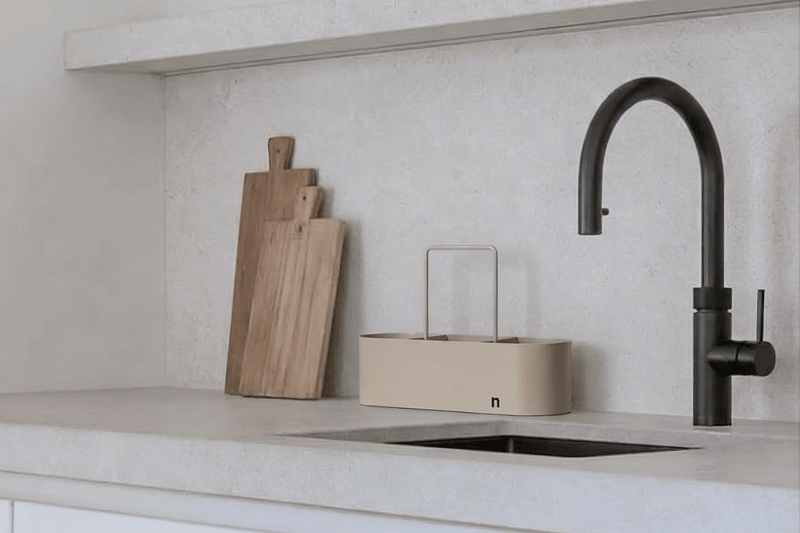
Kitchen Organizer 2026: The high-quality sink organizer you've been wishing for for a long time
The perfect gift for women who already have everything
Shower caddy without drilling: What really holds – and what doesn't
More order, less stress: spring cleaning made easy

Scandinavian design meets functionality: How to design your bathroom with nordesign