Design meets sustainability: Innovative approaches for an environmentally conscious washing-up routine
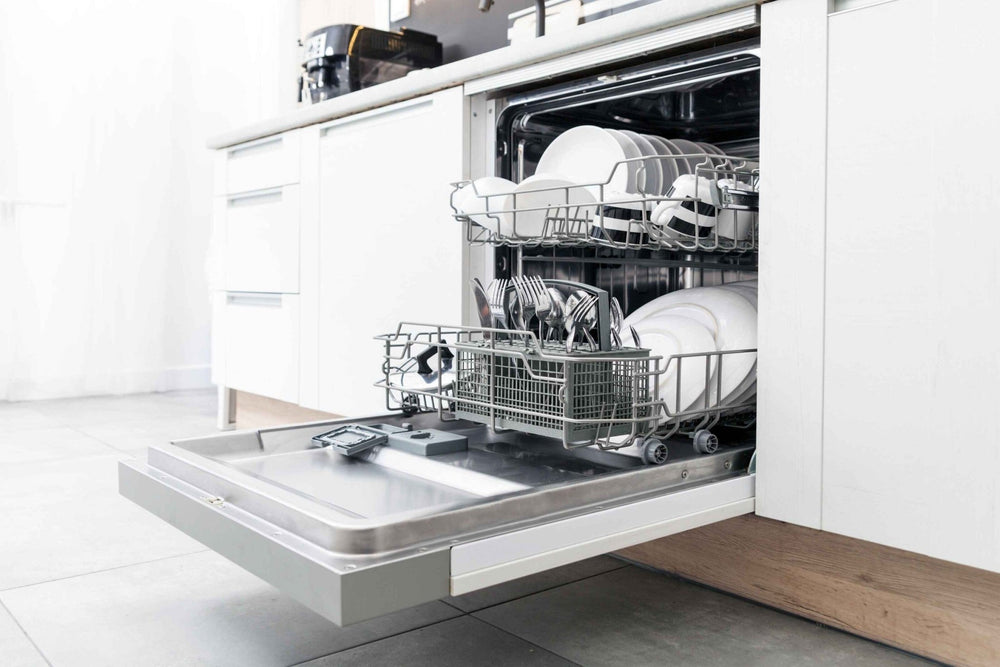
In a world where climate change and environmental degradation are increasingly concerning, sustainability is becoming a central theme in all areas of life. This also applies to everyday tasks like washing dishes. In this blog post, we explore the connection between design and sustainability and present innovative approaches to making our washing-up routine more environmentally friendly.
The importance of an environmentally conscious dishwashing routine
Before diving into innovative approaches, it's important to understand the importance of an eco-conscious dishwashing routine. Conventional dishwashing methods can leave a significant environmental footprint. From water waste to energy consumption to chemical exposure, our dishwashing routines can have negative impacts on the environment. This is where the combination of design and sustainability comes in to find more efficient and environmentally friendly solutions.
Design and sustainability: A symbiotic relationship
Design and sustainability may seem contradictory at first glance. Design often implies the creation of new products and aesthetics, while sustainability aims to limit resource consumption and environmental impact. In reality, these two concepts can exist in a symbiotic relationship.
Sustainable design aims to create products that are not only functional and aesthetically pleasing, but also have a low environmental impact. This approach requires creativity and innovative thinking to combine resource efficiency with environmental friendliness.
Innovative approaches for an environmentally conscious dishwashing routine
Water-efficient technologies: One of the biggest challenges in the dishwashing routine is water consumption. This is where innovative dishwasher models that incorporate water-efficient technologies come in. By using sensors and optimized wash cycles, water consumption can be significantly reduced without compromising cleaning performance.
Biodegradable cleaning products: Conventional cleaning products often contain chemicals that are harmful to the environment. Innovative approaches use biodegradable cleaning products that are both effective and environmentally friendly. These products do not pollute waterways or soil and help reduce chemical pollution.
Modular tableware design: An interesting approach lies in the design of the tableware itself. Conventional tableware can often be bulky and take up more space in the dishwasher, which in turn increases energy consumption. Modular tableware designs that can be easily disassembled and stacked reduce space requirements, resulting in greater efficiency in every wash cycle.
Solar energy for energy consumption: Dishwashers can consume considerable energy. Innovative models use solar energy to reduce energy consumption. Integrated solar panels on the appliance or integration with renewable energy sources help minimize the environmental impact.
Raising awareness and changing behavior: Sustainability requires not only innovative technologies but also a change in our habits. Design can play a role in raising awareness by alerting us to the environmental impact of our dishwashing routine. From simple visual reminders to displays that show real-time water consumption, design can positively influence our behavior.
Conclusion
Combining design and sustainability is crucial for developing an eco-conscious dishwashing routine. Innovative approaches that combine water-efficient technologies, biodegradable detergents, modular dishware design, solar energy, and awareness-raising demonstrate that we are capable of rethinking our habits and finding more environmentally friendly solutions. Ultimately, it is our responsibility to explore and implement these approaches to create a more sustainable future—one in which every dishwashing routine makes a positive contribution to preserving our planet.
More Home Stories
Test: Kitchen Organizer 2026: The high-quality sink organizer you've been wishing for for a long time
Why over 80,000 people already buy their kitchen towels from nordesign
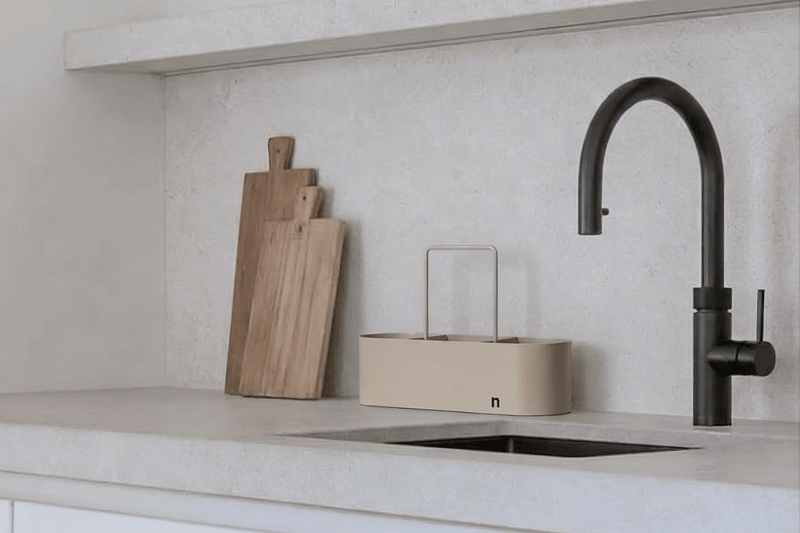
Kitchen Organizer 2026: The high-quality sink organizer you've been wishing for for a long time
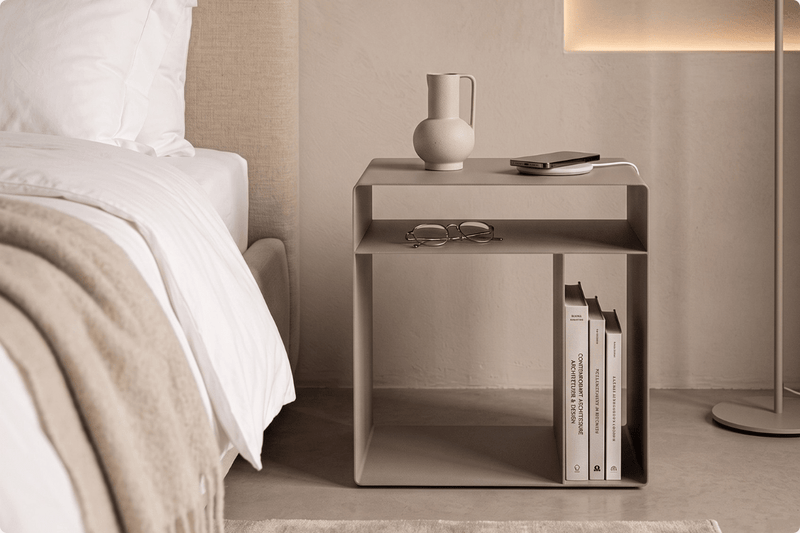
The perfect gift for women who already have everything
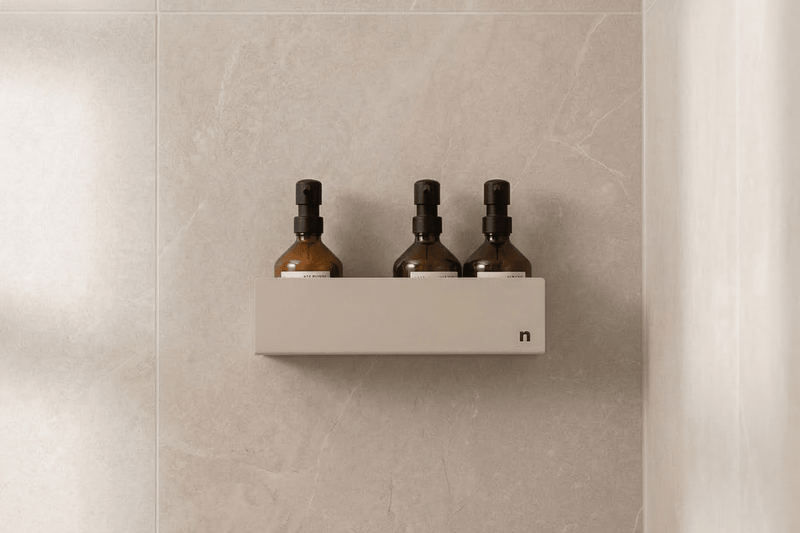
Shower caddy without drilling: What really holds – and what doesn't

More order, less stress: spring cleaning made easy
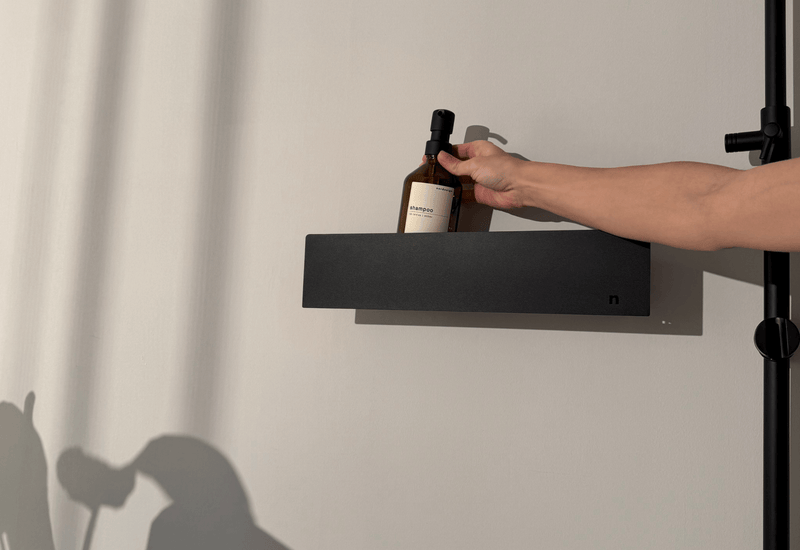
Scandinavian design meets functionality: How to design your bathroom with nordesign