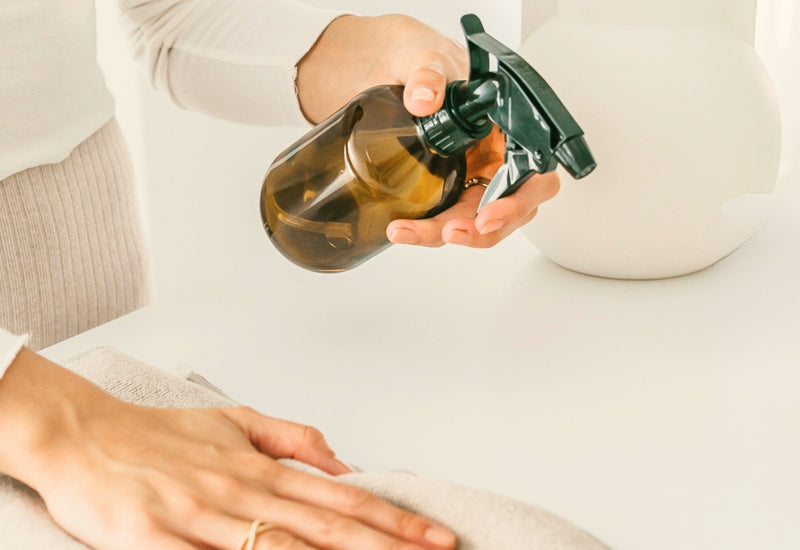
The ABCs of kitchen cleaning
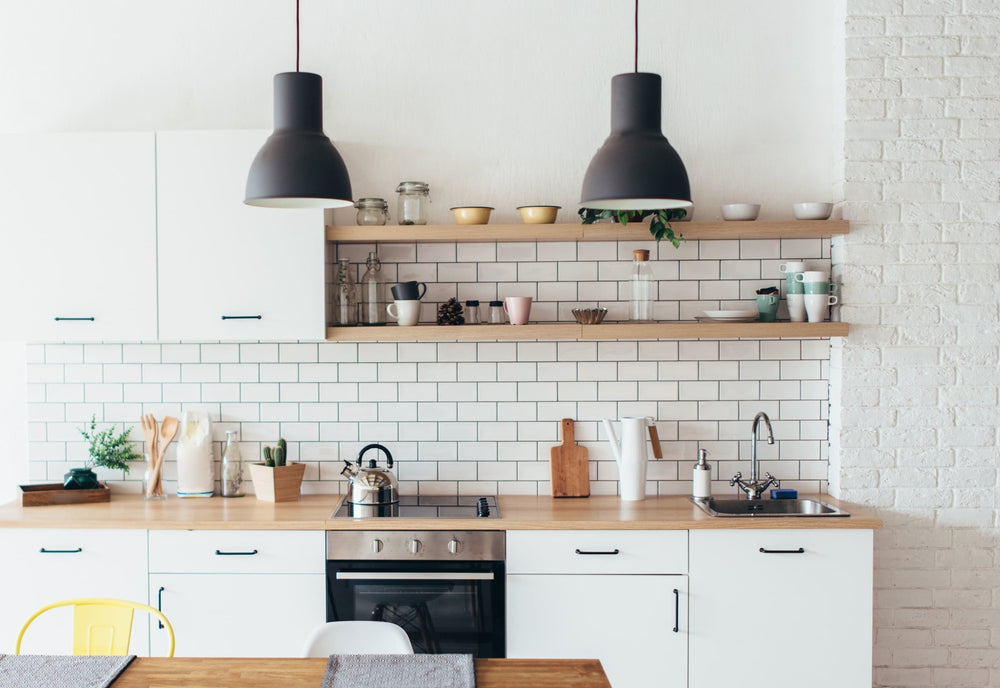
A clean kitchen is not only important for the aesthetics of your home, but also for your health and safety. But how do you really clean your kitchen without damaging surfaces and materials?
In this blog article, we provide simple, practical tips and tricks for effective kitchen cleaning in your home.
-
Planning and preparation
Before you begin cleaning, make sure you have everything you need. This includes cleaning products, sponges, cloths, and brushes. It's also important to use the right cleaning products for the different surfaces in your kitchen. Avoid using harsh cleaners on delicate materials like marble or granite, as they can cause scratches. Always read the instructions on the cleaning product label to ensure it's suitable for the surface.
-
worktop
The countertop is often the most used area in the kitchen and can get dirty quickly. Use warm water and dish soap to remove stains from the countertop. If necessary, use a milder cleaning solution such as a mixture of vinegar and water. Avoid using harsh or abrasive cleaners, as these can cause scratches on the countertop. Wipe the countertop thoroughly and dry it with a clean cloth.
-
sink
The sink is a place where many bacteria and germs can grow. Clean your sink regularly with a cleaner specifically designed for stainless steel or ceramic sinks. Use a brush to remove stubborn stains. Rinse the sink thoroughly using a high-temperature setting to remove all cleaning residue.
-
Oven and stove
The oven and stovetop are often the dirtiest areas in the kitchen. To clean the oven, use an oven cleaner suitable for your type of oven. Follow the instructions on the oven cleaner's label and wear gloves if necessary. For the stovetop, you can use warm water and dish soap to remove stains and dirt. Use a brush if necessary to remove stubborn stains.
-
Refrigerator
The refrigerator can quickly become dirty in everyday use if not cleaned regularly. Remove expired food immediately and clean the refrigerator regularly with a mild detergent and water. Use a brush to remove stubborn stains. Dry the refrigerator thoroughly and ensure all surfaces are dry before putting food back in.
-
Tiles and joints
Kitchen tiles can quickly accumulate stains and dirt. Use warm water and a mild tile cleaner to clean the tiles. Avoid using abrasive cleaners, as these can damage the surfaces. Also pay attention to the grout between tiles. Clean them thoroughly to prevent mold growth. If necessary, use a toothbrush to remove stubborn stains.
-
Extractor hood
The extractor hood can become clogged with grease and dirt, impairing its effectiveness. Clean the grease filter regularly by soaking it in warm soapy water and then rinsing it thoroughly. Use a grease-cutting cleaner to clean the extractor hood's surfaces. Be sure to follow the manufacturer's instructions to avoid damage.
-
microwave
Microwaves can often become stained from grease splashes and spilled food. Place a bowl of water and lemon juice in the microwave and heat it for a few minutes. The resulting steam will loosen the dirt and make cleaning easier. Then, wipe the interior and exterior surfaces of the microwave with a damp cloth.
In summary, cleaning the kitchen is an important task for ensuring hygienic conditions and a great cooking and dining experience every day. To avoid damaging the surfaces and materials in the kitchen, it is important to use appropriate cleaning products and methods. Regular cleaning of all areas in the kitchen is recommended to prevent stubborn dirt and stains. Using the tips above, you can clean your kitchen effectively and gently, thus creating a hygienic and clean environment in your home.
More Home Stories
Test: Kitchen Organizer 2026: The high-quality sink organizer you've been wishing for for a long time
Why over 80,000 people already buy their kitchen towels from nordesign
Kitchen Organizer 2026: The high-quality sink organizer you've been wishing for for a long time
The perfect gift for women who already have everything
Shower caddy without drilling: What really holds – and what doesn't
More order, less stress: spring cleaning made easy
Scandinavian design meets functionality: How to design your bathroom with nordesign