Washing up with style: Sustainable kitchen design for aesthetic environmental friendliness
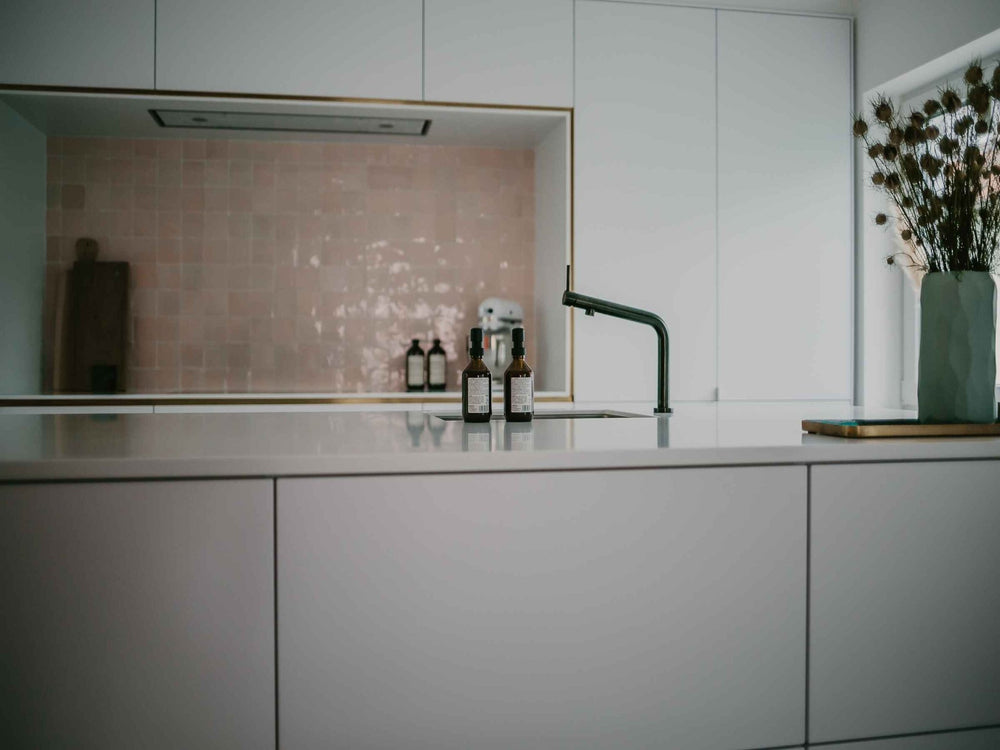
The kitchen is often the heart of a home, a place where family and friends gather to cook, eat, and create memories together. Yet, while we prepare and enjoy delicious meals, we often leave a significant environmental footprint. Fortunately, there are ways to make our kitchens more eco-friendly without sacrificing aesthetics and style. In this blog post, we'll explore sustainable kitchen design that respects the environment while creating an aesthetically pleasing ambiance.
Choice of materials
When designing a sustainable kitchen, the choice of materials is paramount. Opt for sustainable options such as recycled glass, bamboo, cork, or certified wood. These materials are not only environmentally friendly but also add a natural and warm atmosphere to your kitchen. Make sure to choose products that are durable and require little maintenance to minimize resource waste.
Energy-efficient devices
Modern kitchen appliances are often more energy-efficient than their older counterparts. When purchasing appliances like refrigerators, stoves, dishwashers, and microwaves, look for energy efficiency labels. These appliances use less electricity and water, which not only reduces the environmental impact but also lowers your energy costs in the long run.
Natural lighting
Let as much natural light into your kitchen as possible. Large windows and skylights can reduce the need for artificial lighting during the day. This not only saves energy but also creates a bright and inviting atmosphere. If additional lighting is necessary, choose LED bulbs, which are long-lasting and use less energy than traditional incandescent bulbs.
Water-saving fittings
Water is a precious commodity, and it's important to use it sparingly in the kitchen. Install water-efficient faucets and a water filter to reduce the need for single-use plastic bottles. Make sure to repair leaks promptly to avoid wasting water. Collect rainwater to water your plants or vegetable garden, if you have one.
Waste separation and avoidance
A sustainable kitchen should have efficient waste separation. Set up recycling bins for glass, paper, plastic, and metal, and ensure compostable items are separated. Reduce single-use packaging by storing food in reusable containers and avoiding the purchase of overly packaged products.
Upcycling and DIY projects
Give new life to old furniture and items in your kitchen. Upcycling is a great way to combine creativity and sustainability. Repair old chairs, repaint cabinets, or repurpose old jars as storage containers. These DIY projects add a personal touch to your kitchen while reducing the need for new resources.
Vertical garden
If space permits, you can create a vertical garden in your kitchen. Herbs and smaller vegetables can be grown on the wall or on special shelves. This not only adds a green touch to your kitchen but also provides fresh ingredients straight from your own garden.
Second-hand and vintage
When purchasing furniture, tableware, and kitchenware, consider secondhand options. Vintage finds can add character to your kitchen and are often of higher quality than newer mass-produced items. By purchasing used items, you help reduce the need for new resources.
Conscious consumption of food
A sustainable kitchen doesn't stop at design and furnishings; it also includes how food is handled. Plan meals to minimize food waste. Store food properly to extend its shelf life, and consider composting food scraps to create nutrient-rich soil for plants.
Raising awareness
Share your experiences and successes in sustainable kitchen design with friends and family. Raising awareness is the first step in sparking a broader movement for sustainable living. By sharing tips, ideas, and insights, you can inspire others to make eco-friendly choices as well.
Overall, sustainable kitchen design is about making conscious choices to reduce environmental impact while creating an aesthetically pleasing and functional kitchen. From the choice of materials to energy consumption and food waste, there are many aspects to consider. By making small changes in our own lives, we can make a positive contribution to preserving our planet while enjoying a stylish kitchen that's in harmony with nature.
More Home Stories
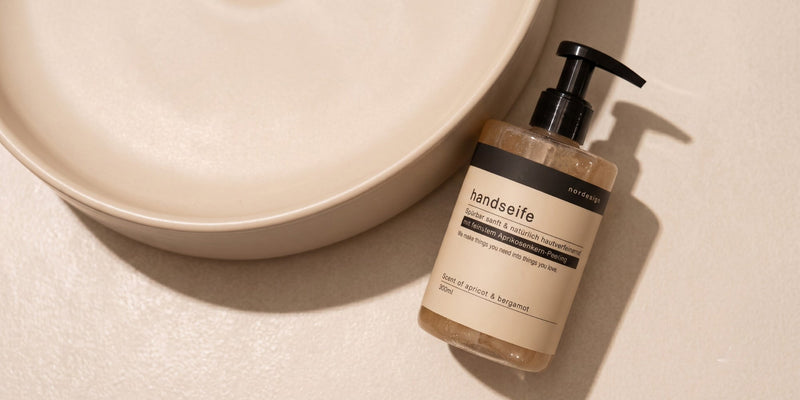
Test: Kitchen Organizer 2026: The high-quality sink organizer you've been wishing for for a long time

Why over 80,000 people already buy their kitchen towels from nordesign
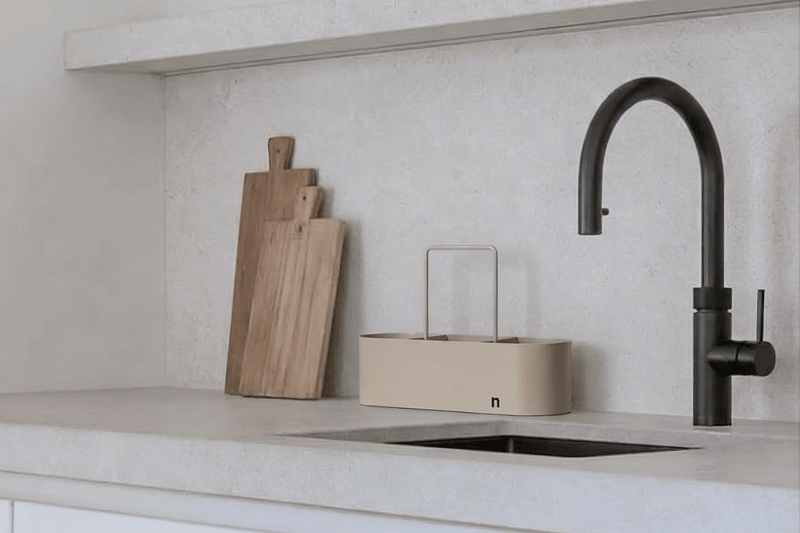
Kitchen Organizer 2026: The high-quality sink organizer you've been wishing for for a long time
The perfect gift for women who already have everything
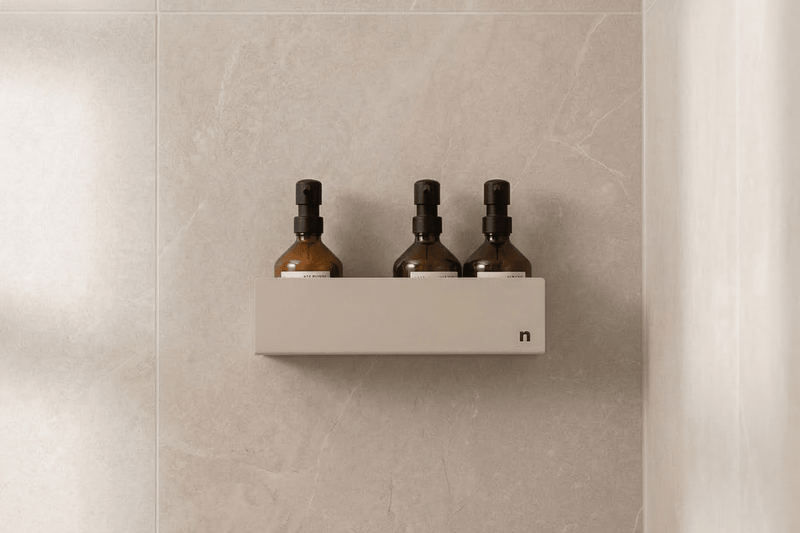
Shower caddy without drilling: What really holds – and what doesn't

More order, less stress: spring cleaning made easy
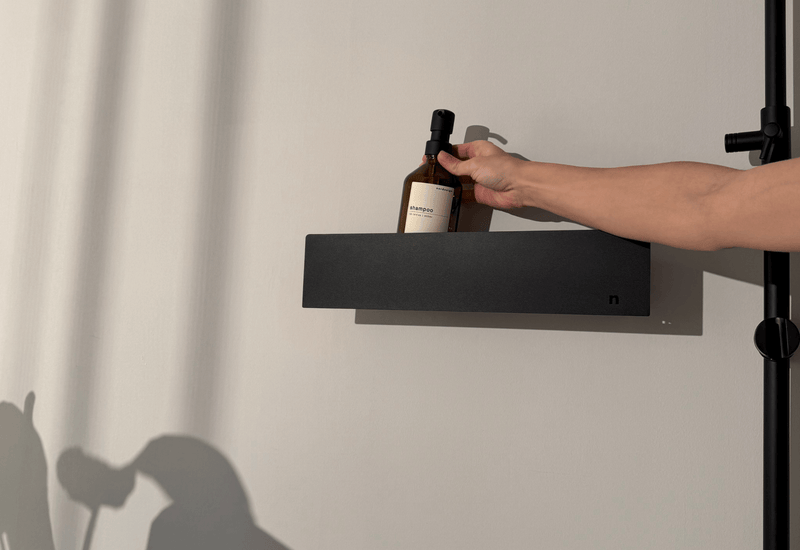
Scandinavian design meets functionality: How to design your bathroom with nordesign